

Introduction
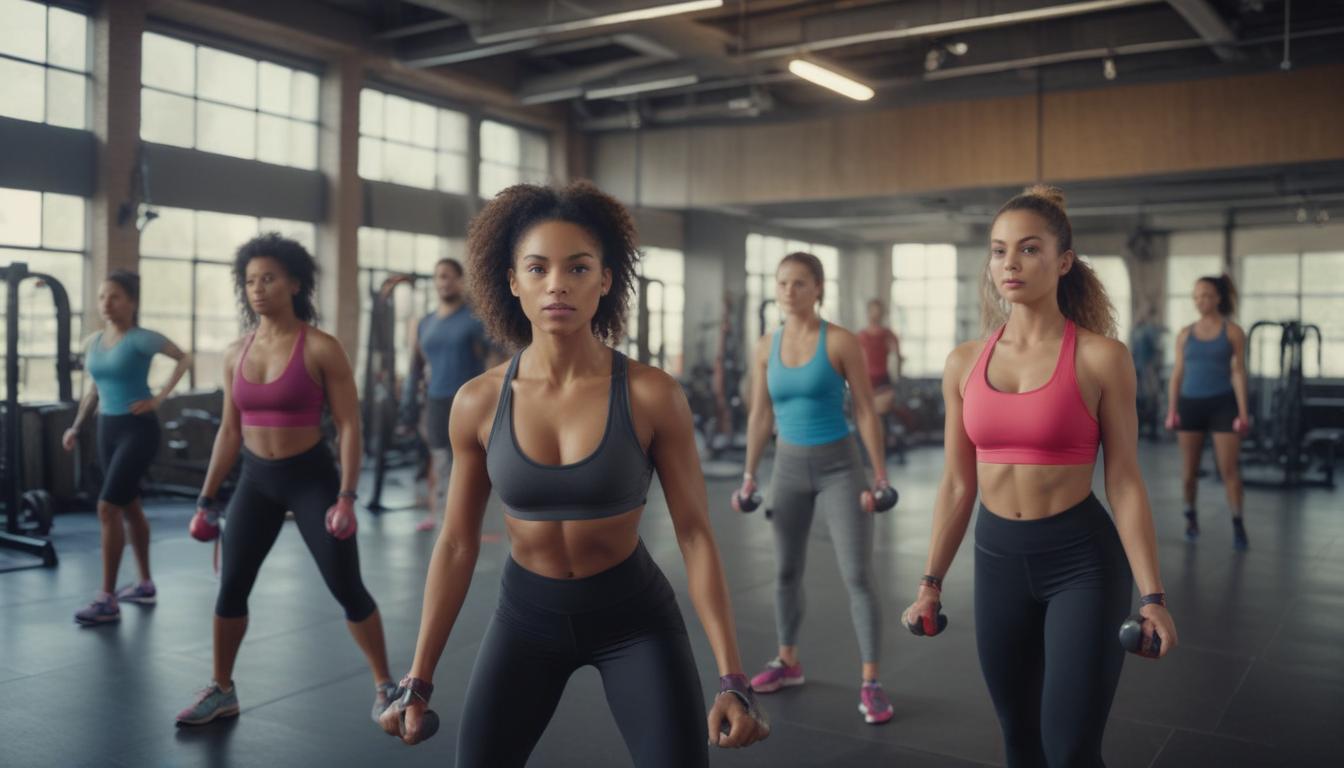
In recent years, functional fitness has surged in popularity as Americans rethink their approach to health and wellness. No longer content with just aesthetic results, people want practical strength that translates to everyday life—whether it’s lifting grocery bags, climbing stairs, or chasing after their kids. This revolutionary fitness philosophy is turning heads, reshaping gym routines, and empowering individuals of all ages to move better and thrive.
What Is Functional Fitness?
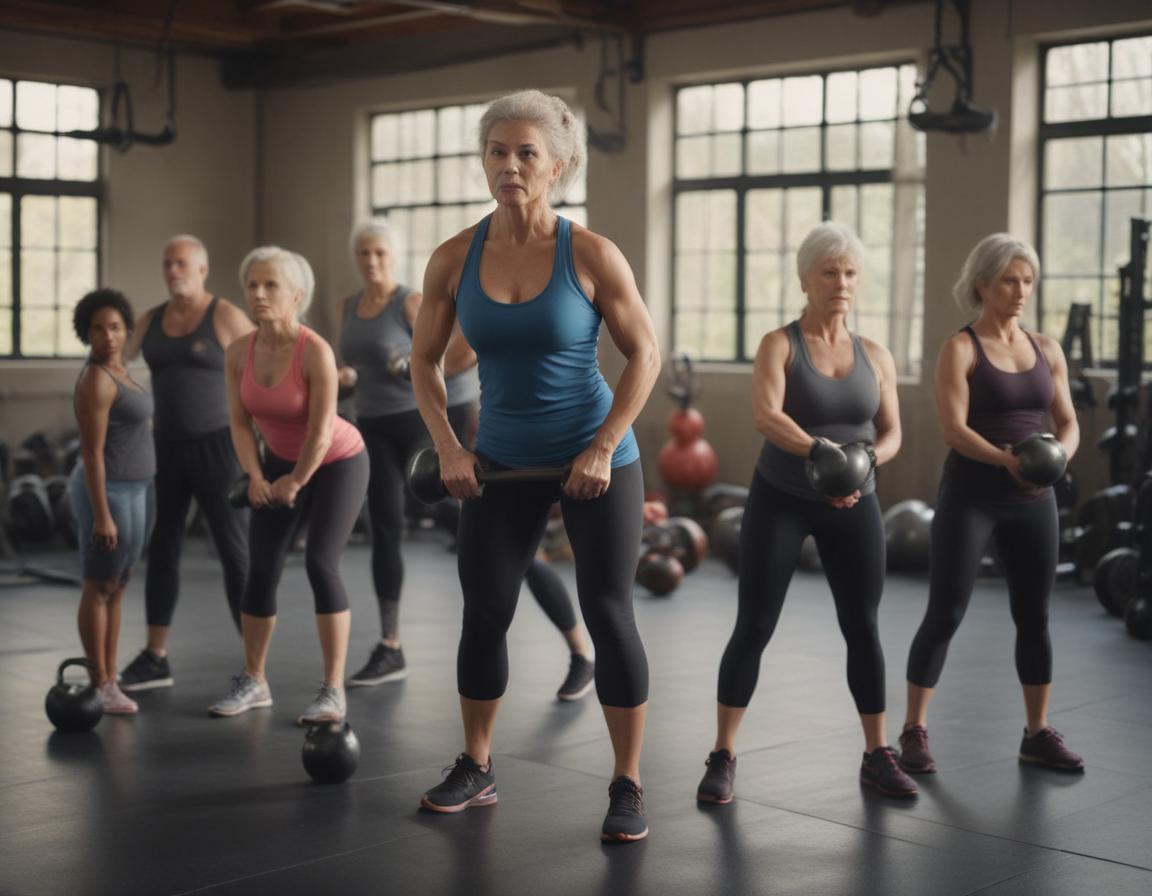
Functional fitness is a different way of thinking about exercise. Rather than targeting individual muscles or achieving a specific look, this training style focuses on movements that mimic your everyday activities, like picking something up off the floor or pushing a heavy object out of the way. Exercises like squats, lunges, and deadlifts integrate multiple muscle groups, teaching your body to work as one cohesive unit. By doing so, this approach reduces the likelihood of injury and helps improve your balance, coordination, and strength simultaneously.
This type of fitness works for everyone—from busy parents trying to juggle errands and kids, to seasoned athletes looking to optimize their performance and prolong their careers. As people become more conscious of long-term health and capability, functional fitness is setting the tone for workouts that don’t just look good but also make life better.
Why Functional Fitness Is Catching On
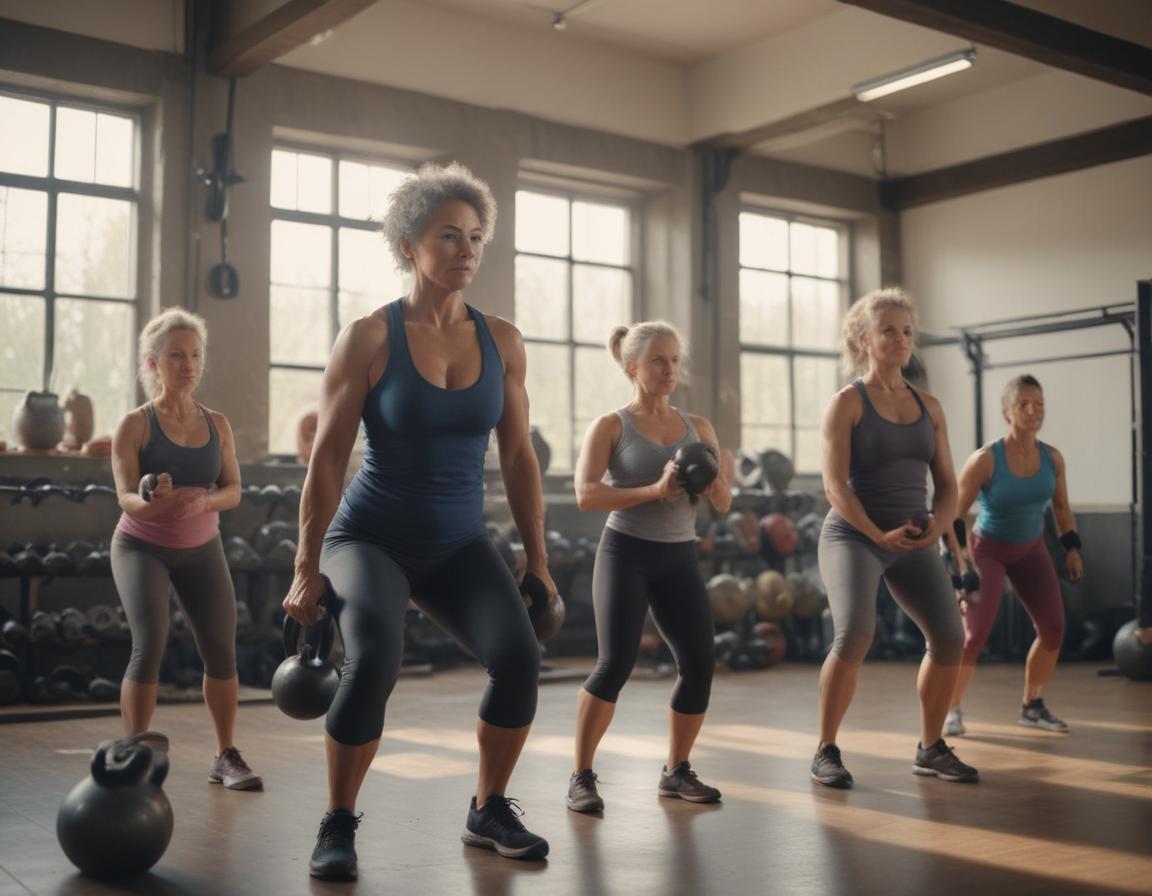
The rise of functional fitness can be attributed to its time-efficient and impactful nature. Unlike traditional gym workouts that isolate muscles or require hours to achieve results, functional training focuses on quick, full-body exercises that fit into busy schedules. Its injury-prevention benefits further add to its appeal; the exercises strengthen smaller, stabilizing muscles, enhancing mobility and reducing the aches and pains of daily life.
Additionally, functional fitness is incredibly accessible. With minimal equipment like resistance bands, kettlebells, or even just your body weight, you don’t need a costly gym membership to start. This accessibility has made functional fitness popular among people of all ages, particularly America’s aging population. Many older adults are recognizing its importance for maintaining independence and mobility as they age. Functional fitness is breaking down the barriers that often make fitness intimidating, creating a welcoming environment for everyone.
How to Get Started with Functional Fitness
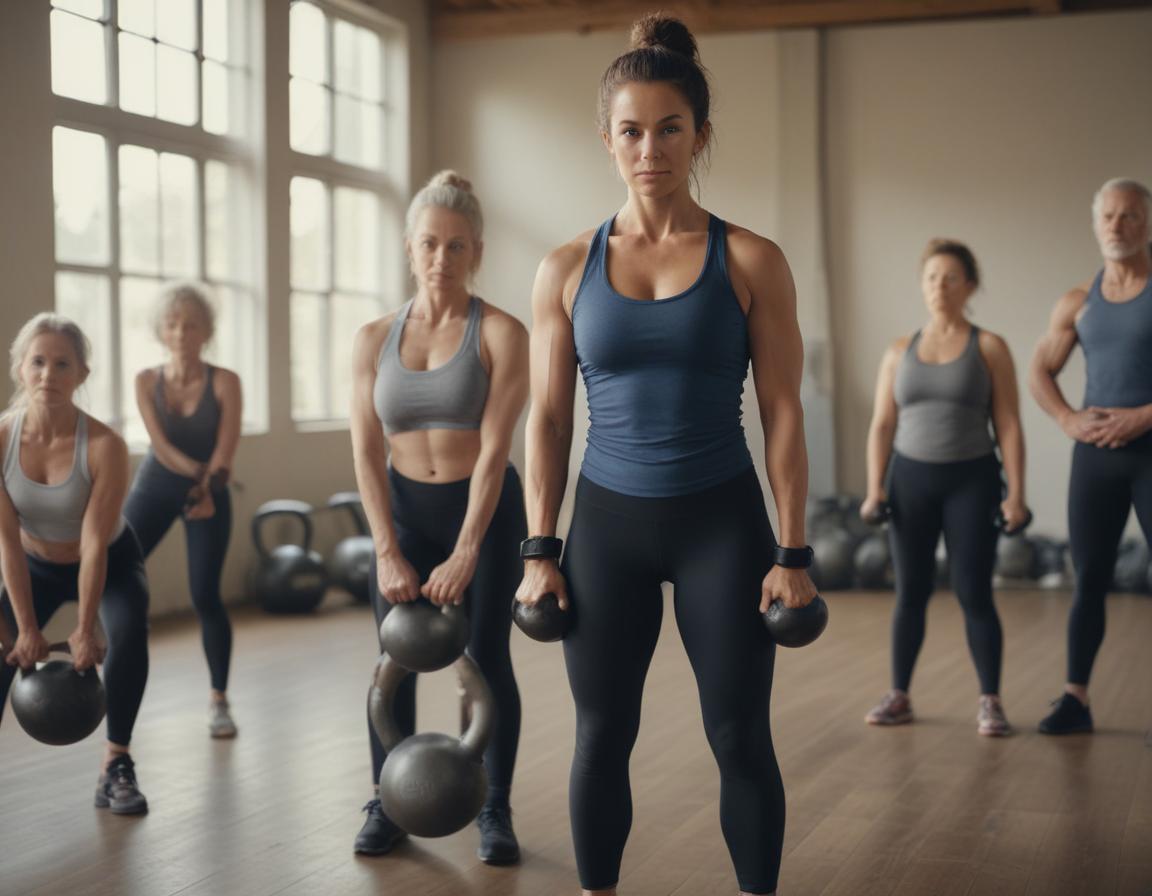
Getting started with functional fitness is easier than you think. Many of the most effective exercises can be done right in the comfort of your home, with little to no equipment. Here are some basic steps to follow:
- Begin with foundational moves like bodyweight squats, lunges, and push-ups. Focus on proper technique to avoid injuries.
- As you get stronger, gradually incorporate resistance tools like dumbbells, resistance bands, or kettlebells.
- Use circuit formats, completing one exercise after another with minimal rest to maximize efficiency.
- Add variety with tools like medicine balls or TRX suspension straps for a challenge.
Remember, the goal isn’t to rush or lift excessively heavy weights. It’s all about form, control, and building a foundation of strength. Even dedicating just 15-20 minutes a few times a week can bring noticeable improvements to your daily life.
Functional Fitness in Action
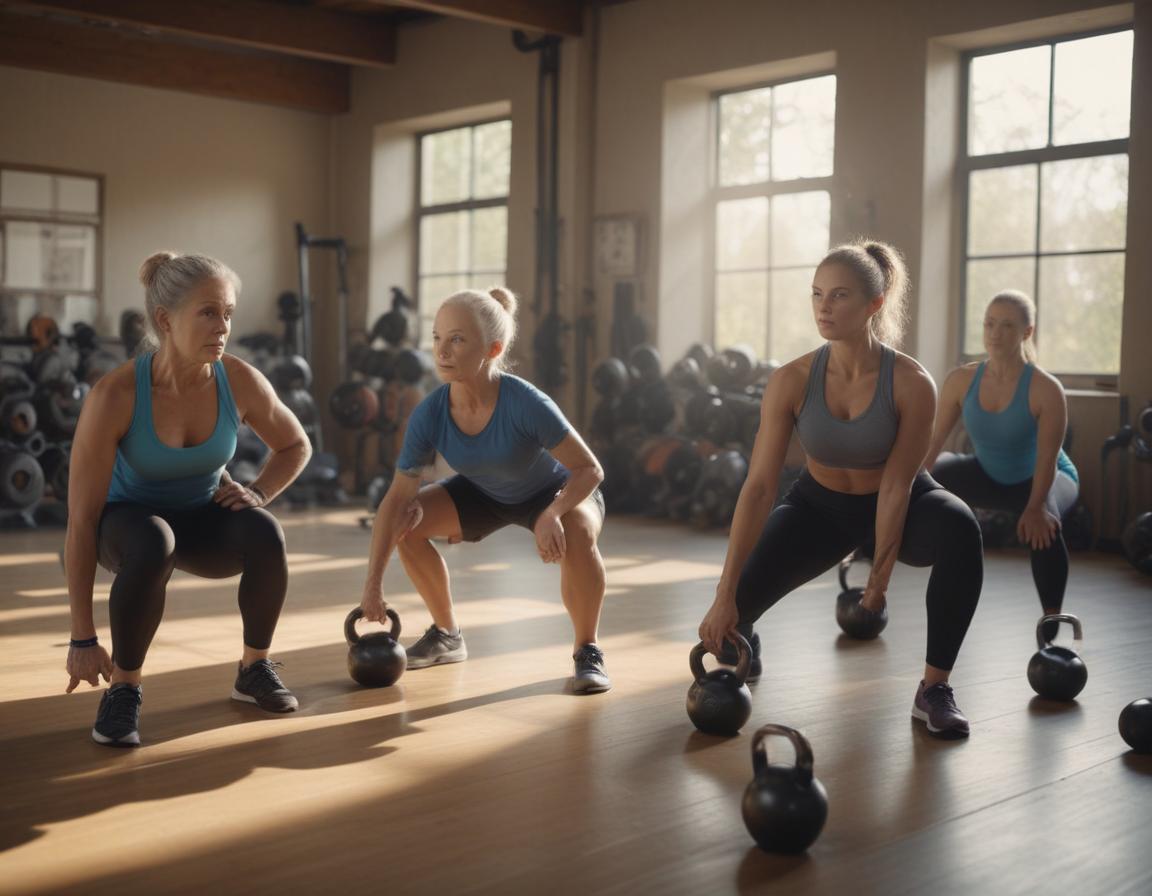
Functional fitness thrives in both individual and group settings, making it one of the most adaptable workout styles. Many gyms now offer dedicated functional fitness classes, where circuits include varied exercise stations. Picture a room full of energy as participants rotate between kettlebell swings, sled pushes, and battle rope sequences. These workouts are dynamic, keep boredom at bay, and build both strength and endurance.
Professional athletes, from NFL players to Olympic competitors, rely on functional movements to maintain peak performance—a testament to the approach’s effectiveness. Beyond the gym, functional fitness techniques can be incorporated into outdoor activities or home workouts. Whether you’re training for a sport or simply aiming to make daily tasks easier, the benefits of functional fitness are undeniable.
Longevity and Lifelong Benefits
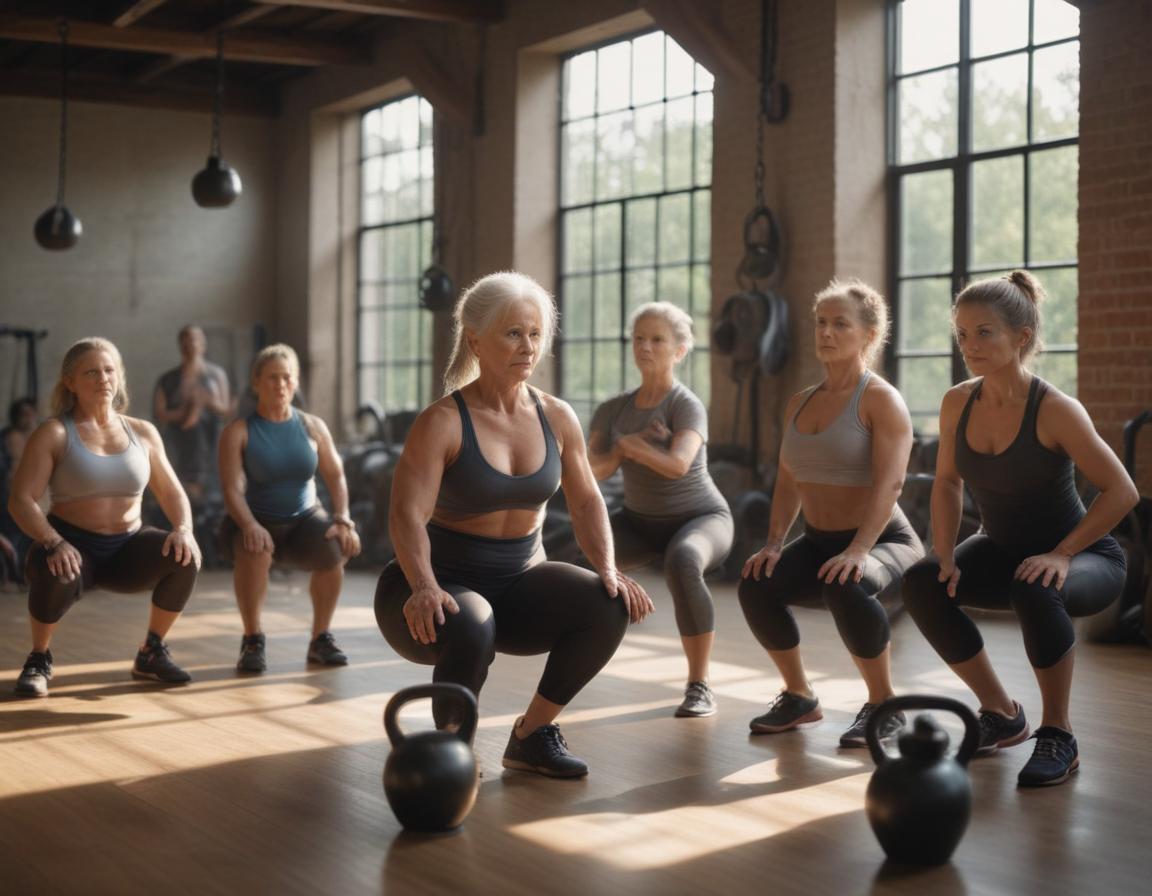
One of the most significant advantages of functional fitness is its focus on longevity and quality of life. It’s a game-changer for older adults, enabling them to perform daily tasks safely and independently. Functional fitness exercises often target joint range of motion, flexibility, and balance—key factors that help seniors stay self-sufficient longer.
For younger generations, these workouts help build a foundation of strength, mobility, and resilience that sustains their lifestyle. Functional fitness promotes proactive healthcare, equipping individuals with the tools to prevent injuries and avoid chronic conditions. As this philosophy moves beyond the gym and into mainstream wellness, it’s encouraging people to engage with their health in meaningful ways that pay dividends for years to come.
Conclusion: Ready to Transform Your Fitness?
As functional fitness continues to grow in popularity, it’s inspiring people across America to embrace a more practical, dynamic approach to movement and health. By focusing on exercises that translate directly to everyday life, individuals are discovering deeper benefits—staying active, reducing injuries, and achieving long-term wellness. And with its accessibility and adaptability, functional fitness is here to stay. Are you ready to take the plunge into a lifestyle of better movement and stronger living?
“`
 fitness