


Cold-Weather Strategies That Work
Why Arctic Fitness is Different
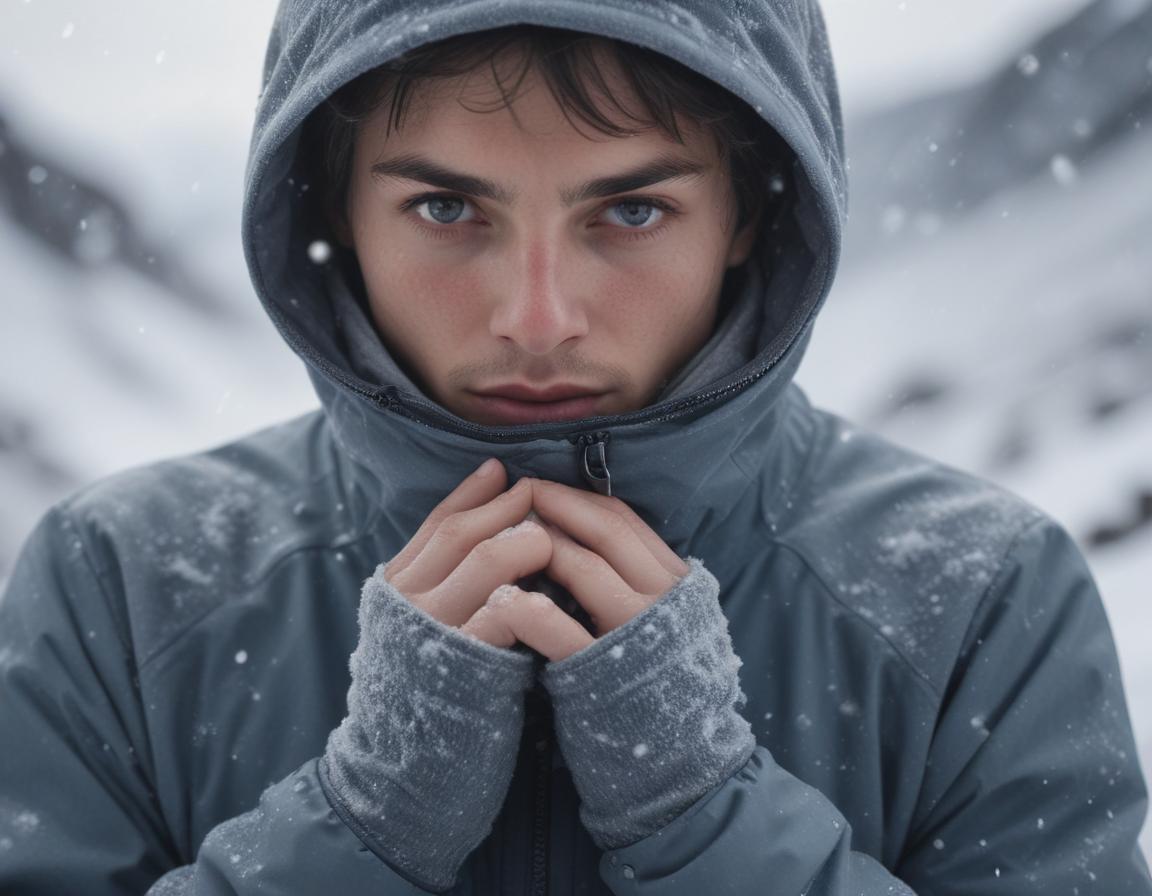
Living or traveling in the Arctic brings distinct considerations for physical well-being.
- Cold stress: Sub-zero temperatures strain the body differently, increasing the risk of frostbite and hypothermia, particularly when skin or extremities remain exposed for too long.
- Daylight variations: Extreme seasonal changes in daylight can significantly affect mood, energy levels, and sleep. Periods of prolonged darkness often make staying motivated a challenge.
- Exercise adjustments: Conventional outdoor fitness routines may need a reboot. Running on icy, uneven paths or finding accessible gym facilities during harsh winters can be tough.
To keep energized and avoid risks, it’s crucial to create a tailored regime that accounts for these unique challenges, keeping your body functioning at its best.
Essential Tips for Cold-Weather Fitness
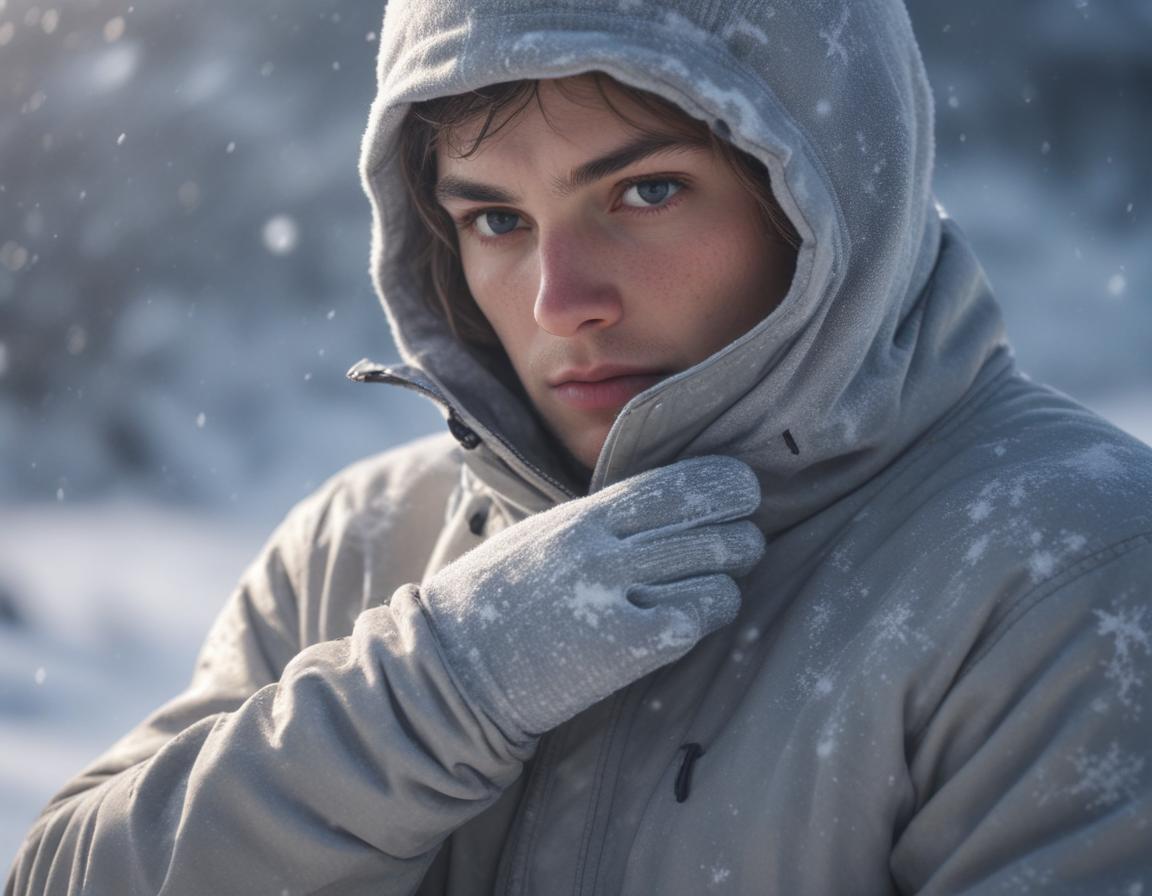
Thriving in Arctic conditions demands preparation, focus, and adaptability. Here’s how to stay in top shape:
- Smart layering: Wear moisture-wicking base layers to keep your skin dry, followed by insulating layers and windproof or waterproof outerwear to tackle harsh elements.
- Prioritize safety: Stay informed with weather forecasts, avoid heading out alone, and carry essentials like high-visibility vests and battery-operated hand warmers.
- Warm-ups are essential: Cold muscles are prone to injury, so spend 10–15 minutes on indoor stretches or light cardio before heading outside.
- Leverage indoor resources: Make use of yoga mats, online fitness classes, or stationary exercise equipment to beat the Arctic freeze.
- Hydration and nutrition: Despite the cold reducing your thirst sensation, your body dehydrates just as fast, so drink plenty of water. Proper calorie intake keeps you energized during the bitter weather.
Exploring Video Insights in Arctic Fitness

For actionable insights on Arctic fitness, turn to video resources created by experienced professionals and wellness enthusiasts. These videos emphasize:
- Creative use of environmental obstacles, such as incorporating glacier running or cross-country skiing, to build endurance and cardiovascular strength.
- Practical indoor functional training techniques using minimalist gym setups to improve overall body strength without needing extravagant equipment.
- Mindset development: Many creators focus on building resilience, fostering a sense of community, and tapping into shared group energy to stay motivated.
- Respect for Arctic ecosystems: Videos often emphasize the importance of trail etiquette and safeguarding wildlife habitats during outdoor fitness routines.
Crafting Your Arctic Wellness Routine

Creating an Arctic wellness routine doesn’t have to be overwhelming. The key is to find balance and personalize your approach:
- Set achievable goals: Focus on staying consistent without putting excessive pressure on yourself to break records in frigid conditions.
- Find companionship: Join local Arctic fitness clubs or engage with online communities to overcome isolation and boost your commitment.
- Mix it up: Incorporate a diverse range of exercises—alternate between strength training, yoga, and aerobic activities to keep things refreshing.
- Track progress: Use fitness apps to monitor progress and stay accountable, especially during weeks with diminished sunlight.
- Visualize success: Foster enthusiasm by imagining reaching new fitness milestones, no matter the Arctic challenges.
Conclusion: Take on the Arctic Challenge
Embracing fitness and wellness in the US Arctic might mean stepping outside your comfort zone—literally. But with the right preparation, inspiration, and support, you can stay strong, healthy, and energized, no matter how low the temperature drops. Whether you’re braving the outdoors or innovating indoors, let the unique landscapes of the Arctic inspire your journey to better health.
Ready to take control of your Arctic fitness journey? Start crafting your personalized routine today!
“`