


The Surprising Link Between Cold Exposure and Muscle Growth: What Science Says
Cold exposure has long been touted for its fat-burning benefits, but new research suggests there may be another perk for fitness enthusiasts—muscle growth. A viral video demonstrating the effects of cold therapy on a fitness enthusiast’s body has sparked wide interest. Social media is buzzing about how brief cold exposure enhances recovery and supports muscle-building goals. But does the science back it up? Let’s dive in!
Why Cold Exposure Is Trending in Fitness

If you browse fitness-focused social media lately, you’ll notice the growing popularity of ice baths and early-morning cold plunges with water hovering at a brisk 40-50°F (6-10°C). This phenomenon is more than just about mental toughness; it’s tied to scientific studies suggesting benefits in muscle growth and recovery.
Fitness enthusiasts claim:
- Improved recovery
- Better muscle definition
- Sharper focus when cold therapy is combined with training
But is this a passing hype, or could there be real science supporting these claims? Let’s explore further.
How Cold Exposure Impacts Muscle Recovery
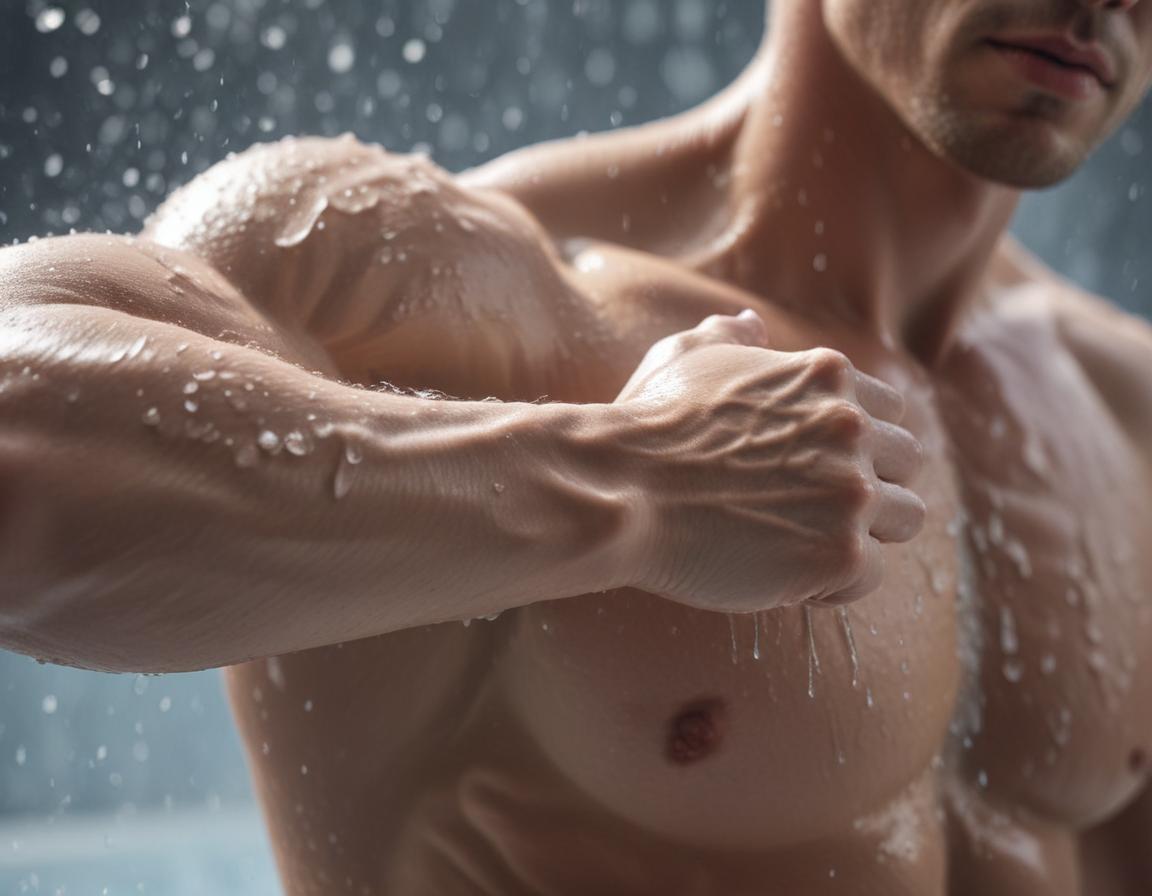
Cold therapy’s muscle-related benefits largely stem from its effects on recovery. Here’s how it works:
- Cold exposure stimulates brown adipose tissue (BAT). This fat-burning mechanism improves metabolism, indirectly supporting the energy conversion needed for muscle repair.
- It reduces inflammation by constricting blood vessels and minimizing post-exercise swelling, aiding in faster recovery.
- Regular cold therapy may even help preserve muscle mass, especially after intense training sessions.
By promoting faster recovery and minimizing soreness, cold exposure is increasingly being seen as a key tool by athletes looking to stay consistent with their training.
The Hormonal Cascade Benefiting Muscle Health
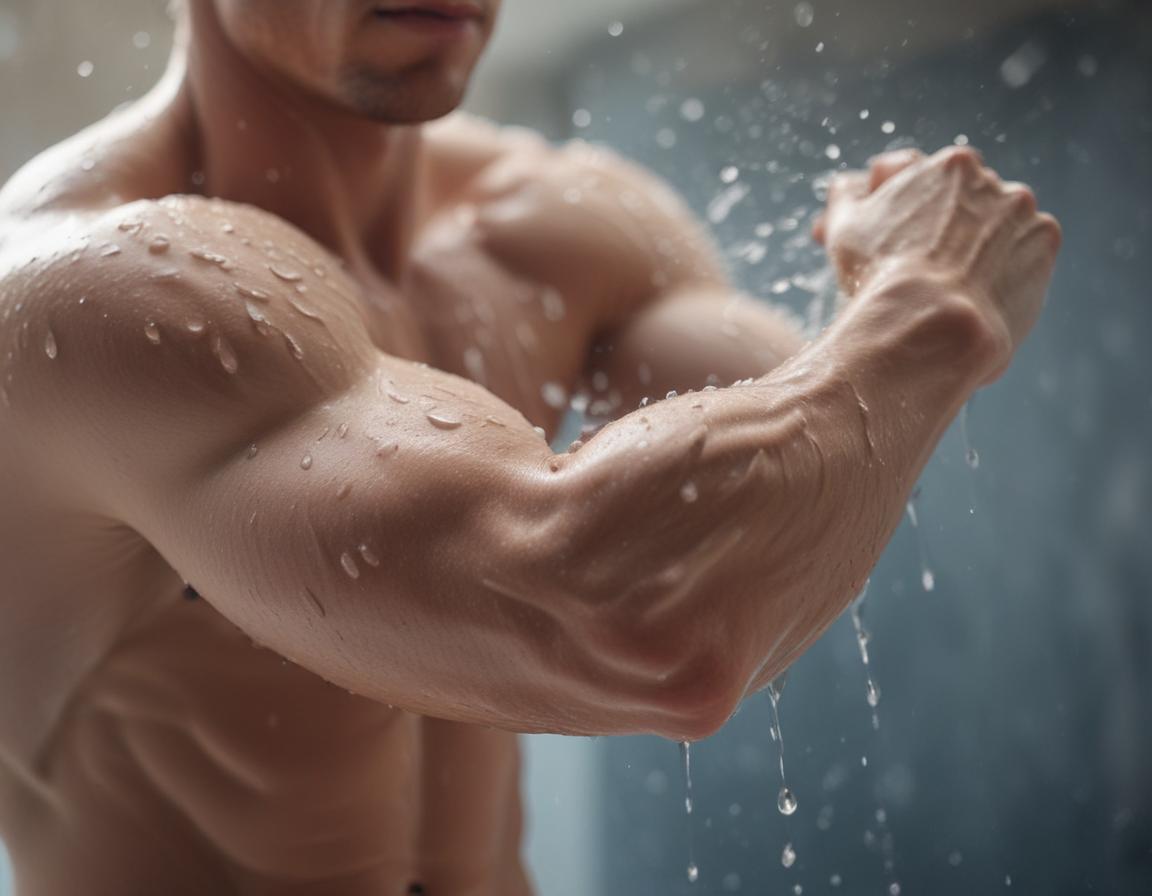
Did you know that cold therapy can also influence your hormones? One of the standout effects is the release of noradrenaline (norepinephrine), an important hormone for recovery and muscle repair.
According to researchers at the University of California, studies in the European Journal of Applied Physiology reveal that cold exposure increases noradrenaline levels. This hormone plays a pivotal role in signaling the body to:
- Prioritize muscle protein synthesis, aiding in repair and growth
- Boost metabolic processes to optimize recovery
For skeptics who believe cold exposure is solely about mental resilience, these physiological effects demonstrate that there’s more at play.
Timing Matters for Cold Therapy Benefits
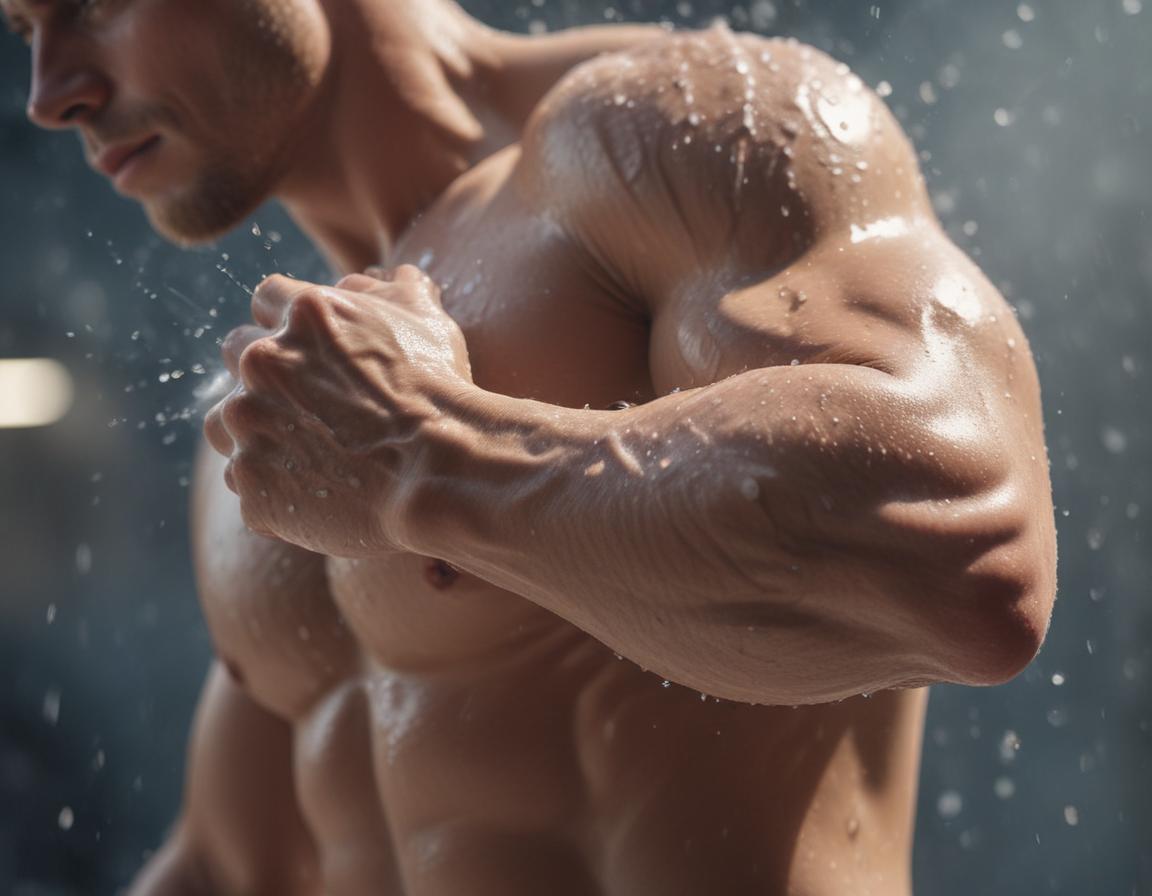
Timing is everything when it comes to cold exposure. While it may be tempting to jump into an ice bath right after a workout, doing so might reduce strength adaptations. Intense exercise triggers natural hypertrophy, or muscle growth signals, that could be dulled by cold immersion immediately afterward.
Here’s the best way to time your cold therapy:
- Wait at least 24 hours post-workout.
- Allow your training’s anabolic (muscle-building) processes to kick in before exposing your body to freezing conditions.
When done strategically, cold therapy provides recovery benefits without compromising muscle gains.
Getting Started with Contrast and Safer Cold Exposure

Thinking about diving into icy waters straight away? Not so fast! Beginners are encouraged to start gradually to avoid shock and increase adaptation.
Beginner-Friendly Cold Therapy Options:
- Contrast water therapy: Alternating between warm and cold showers to ease your body into the practice.
- Cryotherapy clinics: These modern facilities allow for controlled cold exposure without the extreme shock of jumping into an icy lake.
Consistency is key here. Rather than going overboard once or twice, build a steady routine that fits into your overall training program. Remember, cold therapy is a supplement to your fitness—not a replacement for hard work.
The Personalized Experience with Cold Therapy
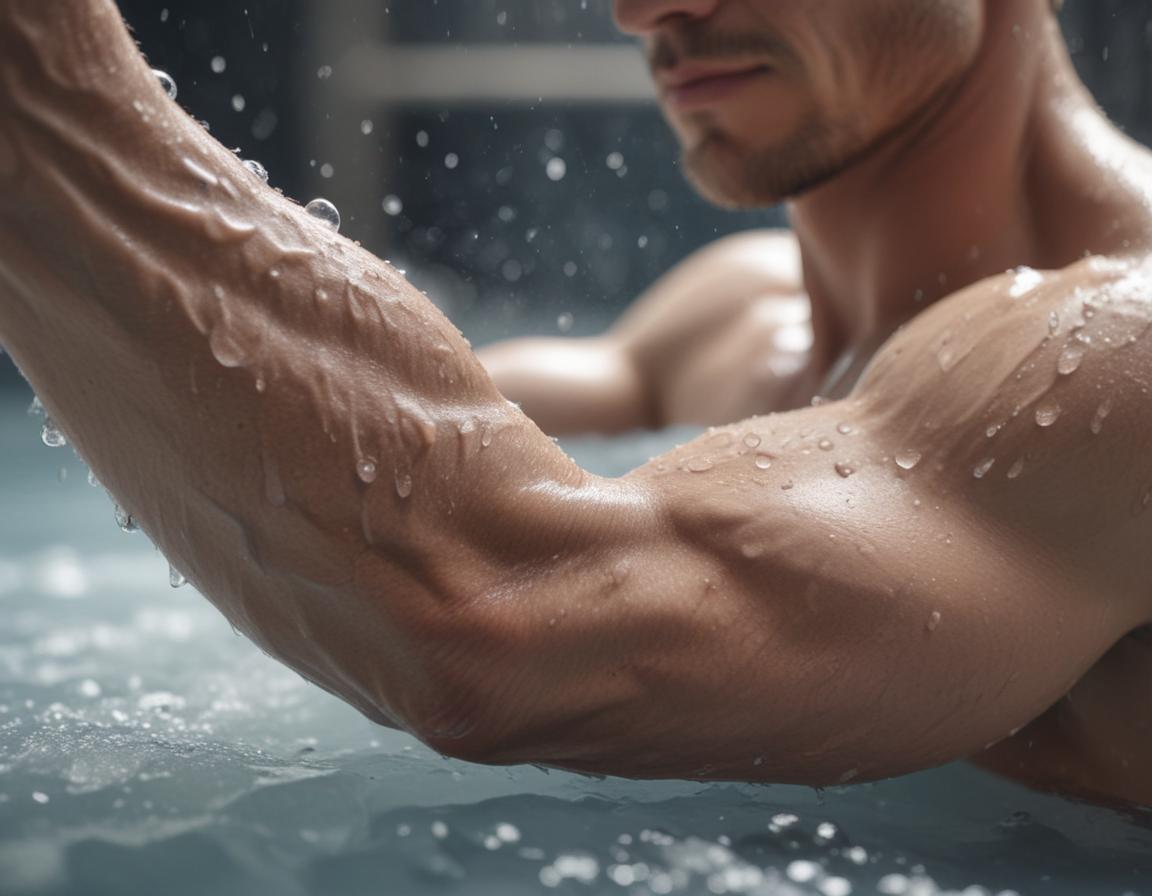
When it comes to cold therapy, no two individuals will have the same results. Genetics, training intensity, diet, and recovery routines all play a role in how your body responds. Some people report dramatic results in recovery and muscle tone, while others notice subtler changes.
Here’s how to customize your experience:
- Experiment with different durations and techniques.
- Pay close attention to how your body feels during and after exposure.
- Keep cold therapy as a complement to your core fitness plan, not a stand-alone solution.
By tailoring your use of cold exposure to your unique needs, you can integrate it effectively into your overall fitness strategy.
Conclusion: Is Cold Exposure Your Next Fitness Secret?
While cold therapy isn’t a magical replacement for consistent exercise or a healthy diet, it might just be the next step in optimizing your recovery process and pushing toward greater strength and muscle gains. The key lies in balanced experimentation, strategic timing, and consistency.
Ready to give it a try? Tune into your body’s unique response and make cold therapy another tool in your fitness toolkit. A whole new level of recovery and resilience awaits!
“`