

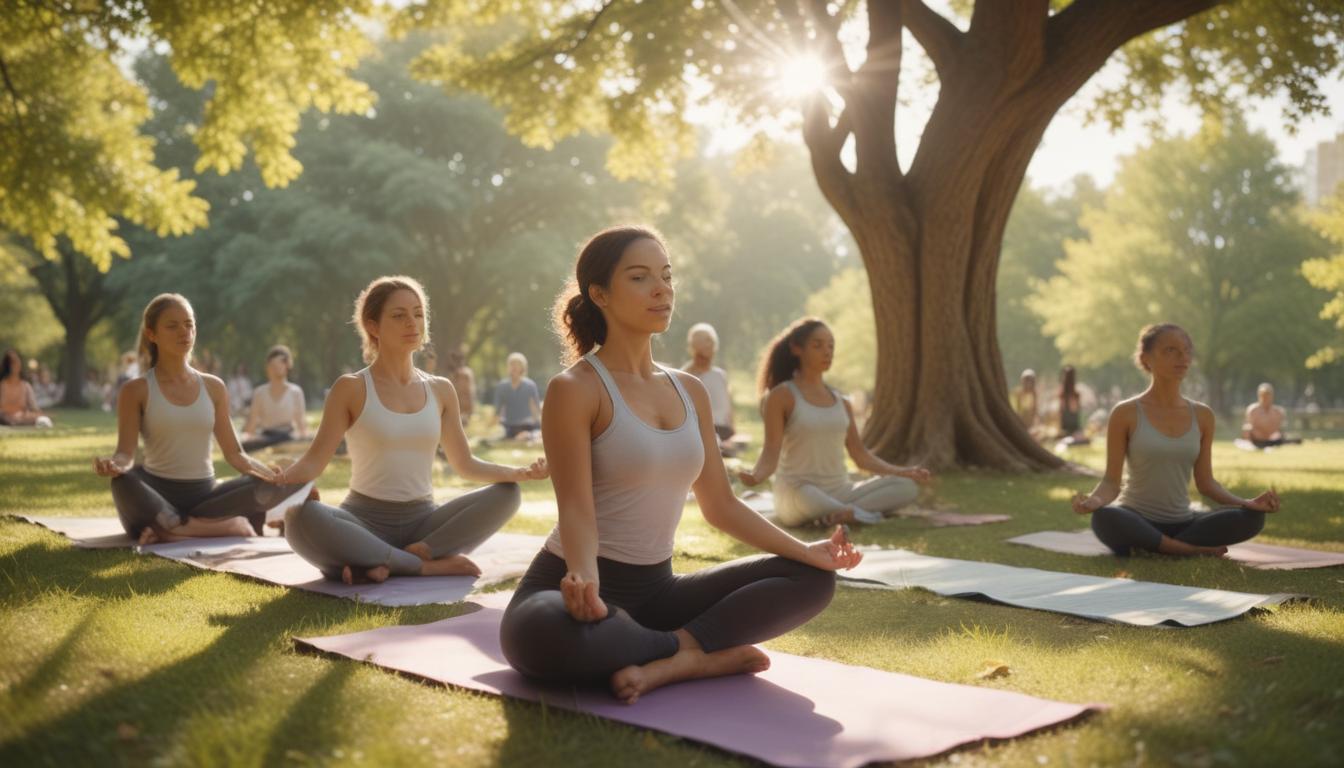
The Myth: Exercise as the Sole Route to Fitness

For decades, public health messaging and fitness industries have promoted exercise as the primary means to achieve and maintain fitness. Indeed, regular exercise improves cardiovascular health, muscle strength, and mental well-being—benefits well-documented by science. However, the narrative often ignores that exercise alone doesn’t guarantee fitness or overall health. Likewise, the absence of formal exercise doesn’t universally result in poor health outcomes. Many individuals achieve wellness through alternative pathways such as:
- Maintaining an active lifestyle through daily habits like walking or gardening.
- Practicing mindful nutrition to fuel their bodies effectively.
- Prioritizing mental health care to enhance overall well-being.
This paradigm challenges traditional perceptions and encourages new conversations: What if fitness isn’t just about gym hours or breaking a sweat but also about weaving healthier routines into the fabric of everyday life?
Broadening the Definition of Fitness

The evolving wellness movement is pushing us to redefine the way we view fitness. We’re moving beyond the rigid confines of exercise-focused routines to embrace a holistic, inclusive spectrum of wellness strategies. So, what does this broader mindset look like?
- Physical Activity Beyond the Gym: Simple activities like walking, gardening, or even house chores contribute to improved health.
- Nutrition and Diet: Consuming balanced meals with fresh fruits, leafy greens, whole grains, and lean proteins helps sustain energy and boosts immunity.
- Mental Health and Stress Management: Activities like meditation or practicing gratitude emphasize that emotional well-being supports physical resilience.
- Rest and Recovery: Embracing quality sleep and downtime helps bodies recharge and minds stay sharp.
By adopting this holistic view, fitness becomes more attainable and fulfilling, transcending the outdated idea that exercise alone determines health.
Why This Matters in the U.S. Health Landscape

Across the United States, rising rates of chronic conditions like obesity, diabetes, and mental health challenges highlight the need for change. Traditional fitness paradigms often exclude large segments of the population, such as:
- People with limited access to gyms or workout facilities.
- Individuals facing financial or physical barriers to formal exercise.
- Communities burdened by societal or cultural pressures.
By embracing diverse pathways to fitness—like making room for active hobbies, lowering fitness barriers, or focusing on body-positive wellness efforts—we create more inclusive opportunities for everyone. Additionally, this shift can reduce mental fatigue caused by unrealistic beauty standards, fostering a stronger and healthier community-oriented approach to well-being.
Practical Tips for Embracing Holistic Fitness

What specific actions can you take to adopt a holistic approach to fitness? Here’s a handy guide:
- Incorporate Simple Movements: Take the stairs, enjoy leisurely walks, or try gardening and dancing—all of which promote activity naturally.
- Prioritize Balanced Nutrition: Choose fresh, nutrient-dense foods and minimize your reliance on processed meals.
- Make Time for Mindfulness: Meditate or practice gratitude journaling to manage stress and foster emotional resilience.
- Commit to Quality Sleep: Aim for 7-9 hours of restful sleep to recharge your body and mind effectively.
- Set Clear and Personal Goals: Regularly review your wellness objectives to stay motivated and track your progress.
By building such small but intentional habits, you can craft a more balanced and rewarding approach to health that aligns with your lifestyle.
Conclusion: Fitness is More Than Exercise
Fitness in the United States is transitioning from a narrow focus on exercise performance to a more inclusive vision of health that values physical, mental, and emotional well-being. You can absolutely pursue wellness without rigid exercise regimens by integrating diverse wellness strategies into your life. This evolved approach not only expands who feels welcome in the fitness space but also supports long-term health through balanced living. For those feeling daunted by traditional fitness expectations, rethinking wellness as a holistic, achievable lifestyle might just be the invitation you need to craft a healthier, happier life.
Ready to get started? Take one simple step today—whether it’s a mindful meal, a walk outdoors, or writing down objectives for your well-being. Begin your path to holistic health!
“`