

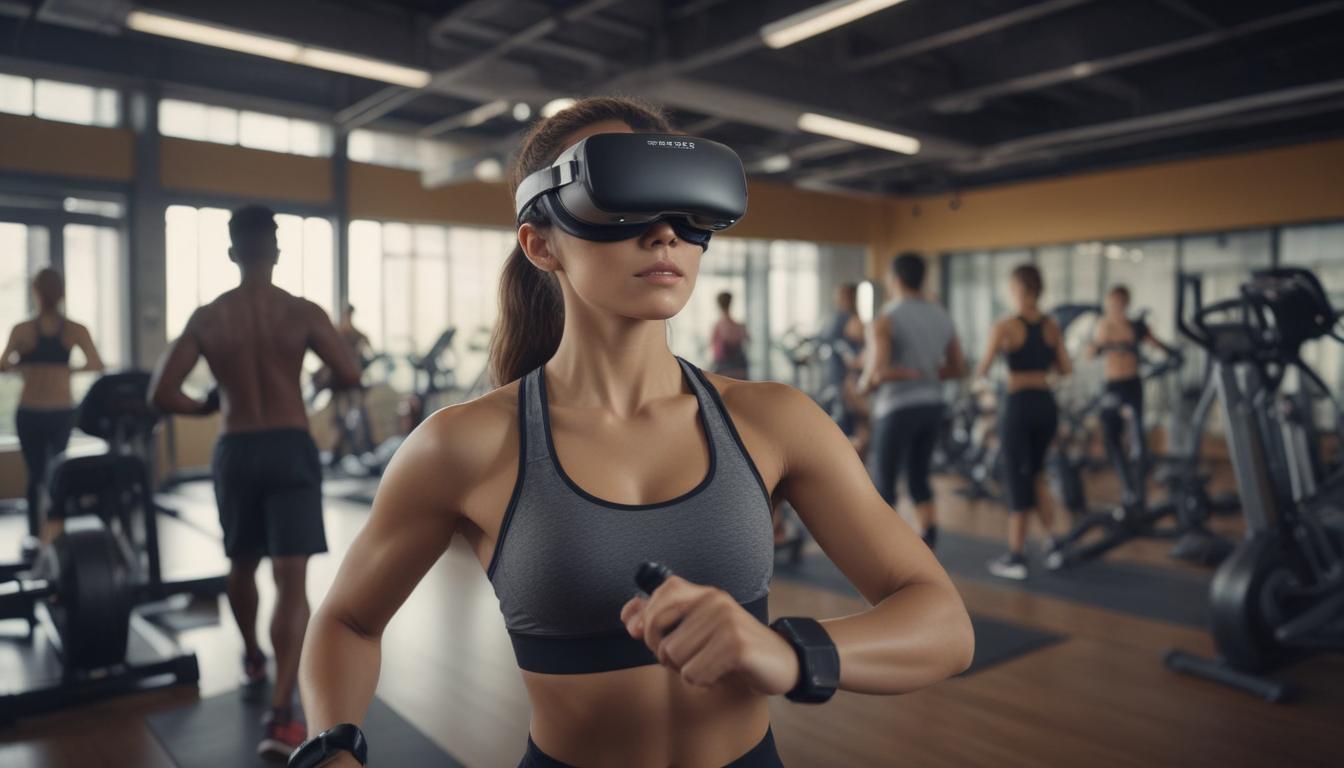
Is technology the missing piece of your fitness goals? As we look forward to 2025, the U.S. fitness landscape is undergoing a groundbreaking transformation.
With technology driving personalization, inclusivity, and smarter workouts, the future of wellness is here. In this blog, we’ll dive into the hybrid fitness movement, wearable tech, inclusivity, and the emerging trend of biohacking that’s set to shape the wellness sector in the coming year. Let’s explore how these innovations aim to optimize mind, body, and lifestyle!
The Rise of Hybrid Fitness
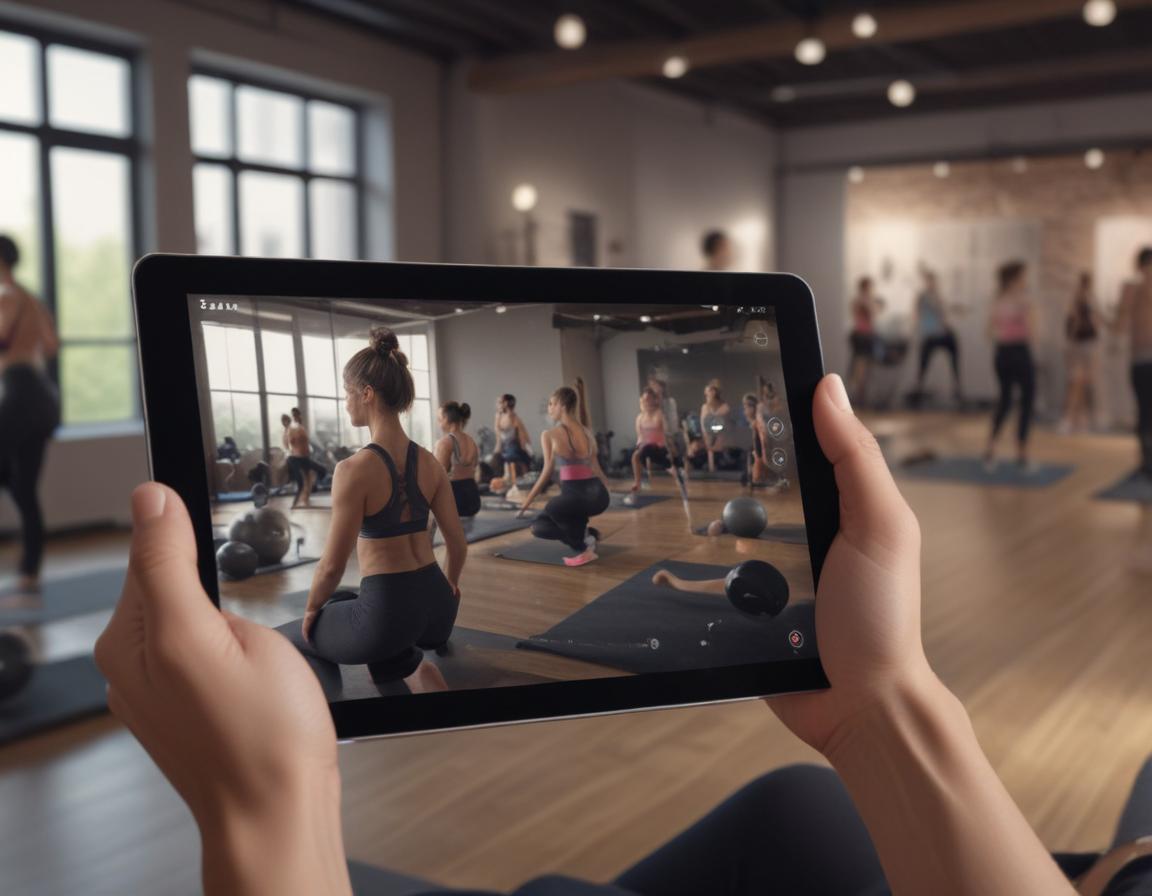
Hybrid fitness is revolutionizing the way Americans approach wellness. This new model merges digital convenience with the tactile motivation of in-person fitness sessions.
With a blend of online options and physical gym classes, it caters to a wide spectrum of lifestyles and fitness commitments.
Recent statistics reveal that 72% of fitness enthusiasts now prefer hybrid workout options, indicating a significant shift away from traditional fitness models.
Platforms like Peloton, Les Mills+, and ClassPass are leading the charge, offering digital solutions seamlessly integrated with real-world physical workouts.
This unique combination builds both accessibility and community spirit, perfect for anyone from busy urban professionals to those seeking more interactive gym experiences.
Hybrid fitness also appeals to underserved demographics, such as remote workers, busy parents, and seniors, providing customized wellness options.
Whether balancing tight schedules or aiming for consistency, hybrid fitness offers flexibility without compromise.
Tech-Driven Personalization and Wearable Integration
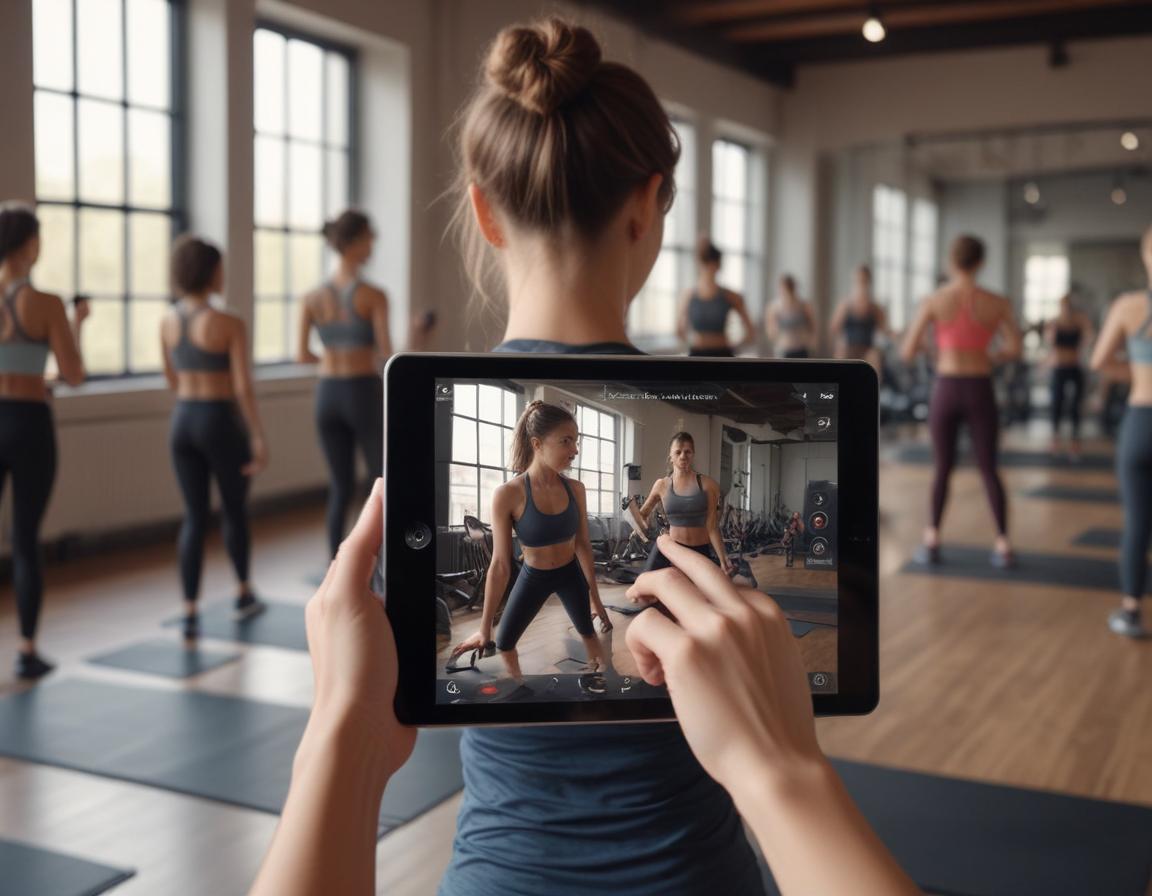
Wearable technology is taking the fitness sphere by storm, driving an era of unprecedented personalization. Devices like smartwatches, fitness trackers, and app-connected gym equipment provide users with real-time data on heart rate, step counts, calories burned, sleep patterns, and more.
These devices allow for smarter workout routines, ensuring greater efficiency and effectiveness in achieving fitness goals.
Mobile apps have become the backbone of this tailored approach, offering features such as virtual coaching, workout scheduling, and instant feedback.
Ranked among the top trends by the American College of Sports Medicine, these tools are empowering fitness enthusiasts to track progress and make data-driven decisions.
Whether you’re optimizing a yoga flow or fine-tuning strength training, wearable tech provides ultimate flexibility by tailoring routines to individual needs.
Thanks to advanced analytics and AI insights, this tech-focused fitness upgrade not only supports healthy lifestyles but also keeps users consistently engaged.
Biohacking and the Future of Fitness
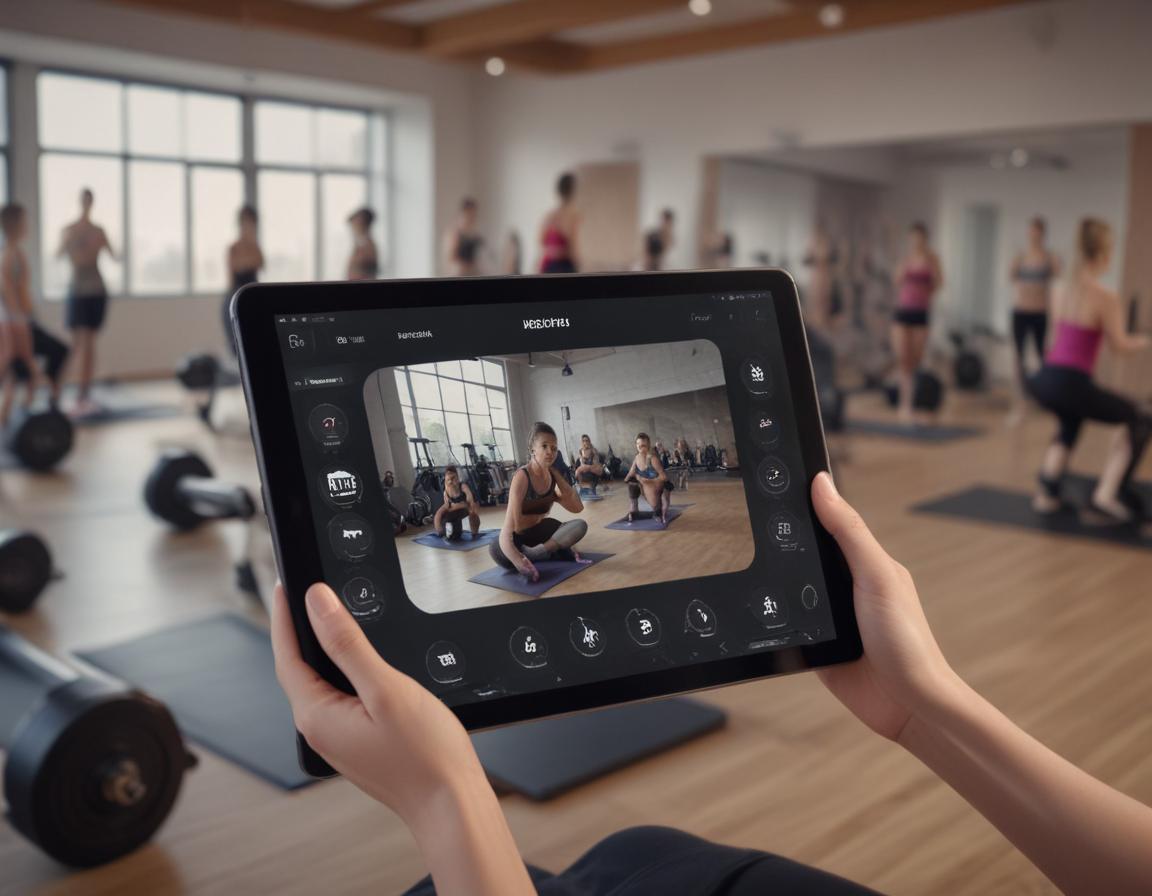
Biohacking is stepping up as a cutting-edge trend in fitness and wellness. With its emphasis on optimizing overall health, it encompasses solutions like customized supplements,
nootropic cognitive enhancers, and sleep optimization technologies. These transformative strategies are fast becoming staples for Americans seeking to improve both physical and mental performance.
Practical tools such as continuous glucose monitors and wearable biofeedback devices are making it easier than ever for people to manage their health at a granular level.
This marriage of science and technology allows users to chart success strategically while focusing on long-term habits rather than short-term fixes. The integration of biohacking and hybrid fitness is turning wellness into a lifestyle, not just a passing goal.
Inclusivity and Holistic Wellness
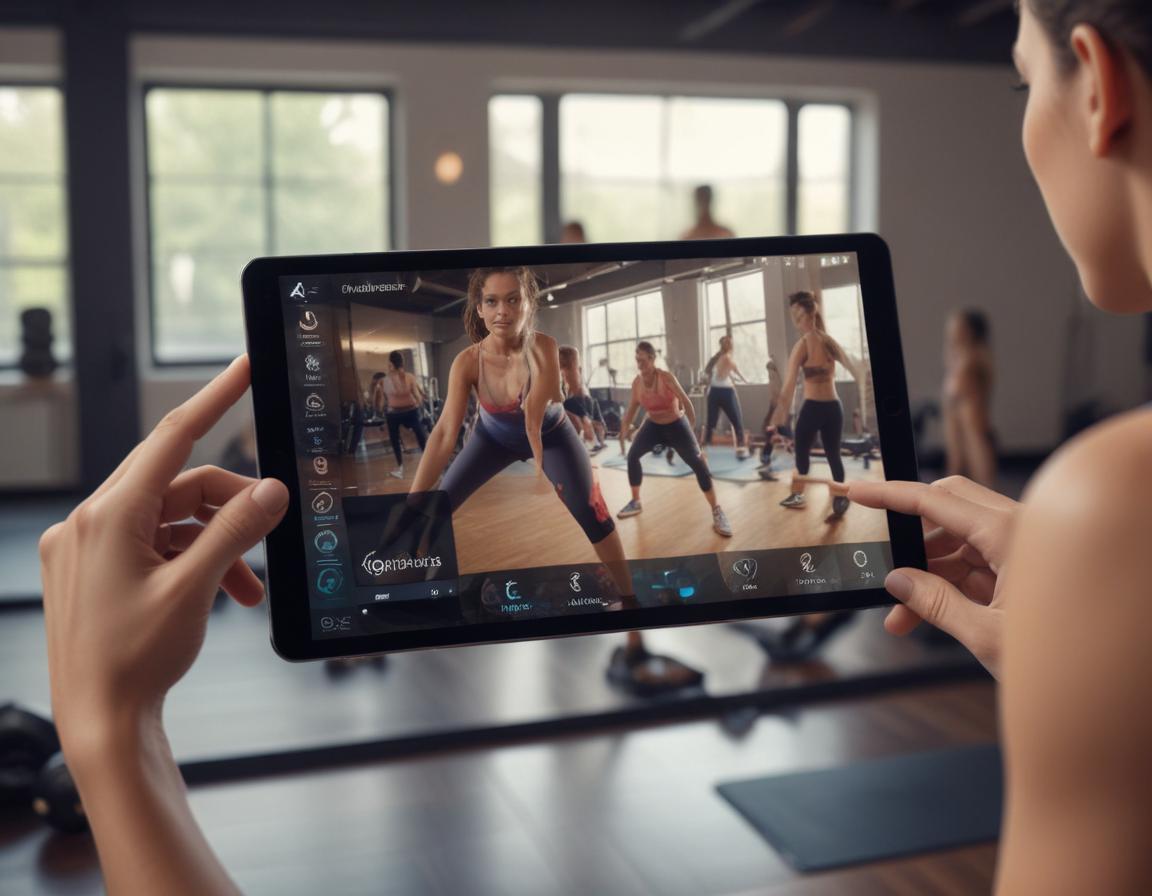
Inclusivity has become a cornerstone of the hybrid fitness revolution, making fitness accessible to all. Adaptive virtual programs, combined with AI-powered trainers, ensure that fitness is no longer limited by age, location, affordability, or physical ability.
With this shift toward inclusiveness, people of all backgrounds are finding opportunities to engage in meaningful wellness routines.
Functional fitness—based on exercises mirroring everyday activities like squats, lunges, and lifts—has gained traction as a popular option for those looking to improve mobility and independence. This focus on holistic wellness integrates mental, emotional, and social well-being alongside physical fitness, providing a more balanced approach for everyone involved.
The future of fitness prioritizes inclusion, ensuring nobody is left behind in the pursuit of health and wellness.
The Economic and Global Impact of Hybrid Fitness
Beyond its individual benefits, the adoption of hybrid fitness is contributing to an extraordinary surge in the global economy. Experts project the global wellness economy to exceed $7 trillion by 2025, fueled by investments in health technology and consumer-driven demand for accessible fitness solutions.
Entrepreneurs and companies, both large and small, are rapidly innovating to meet this demand, creating disruptive solutions that pave the way forward.
This industry expansion emphasizes that fitness is more than just a personal endeavor—it’s a vital piece of cultural and economic growth.
For entrepreneurs curious about venturing into the wellness industry, now is the perfect time to embrace hybrid fitness technologies, make a mark, and contribute to shaping the future of wellness.
“`
 fitness