

The Rise of Fitness Communities
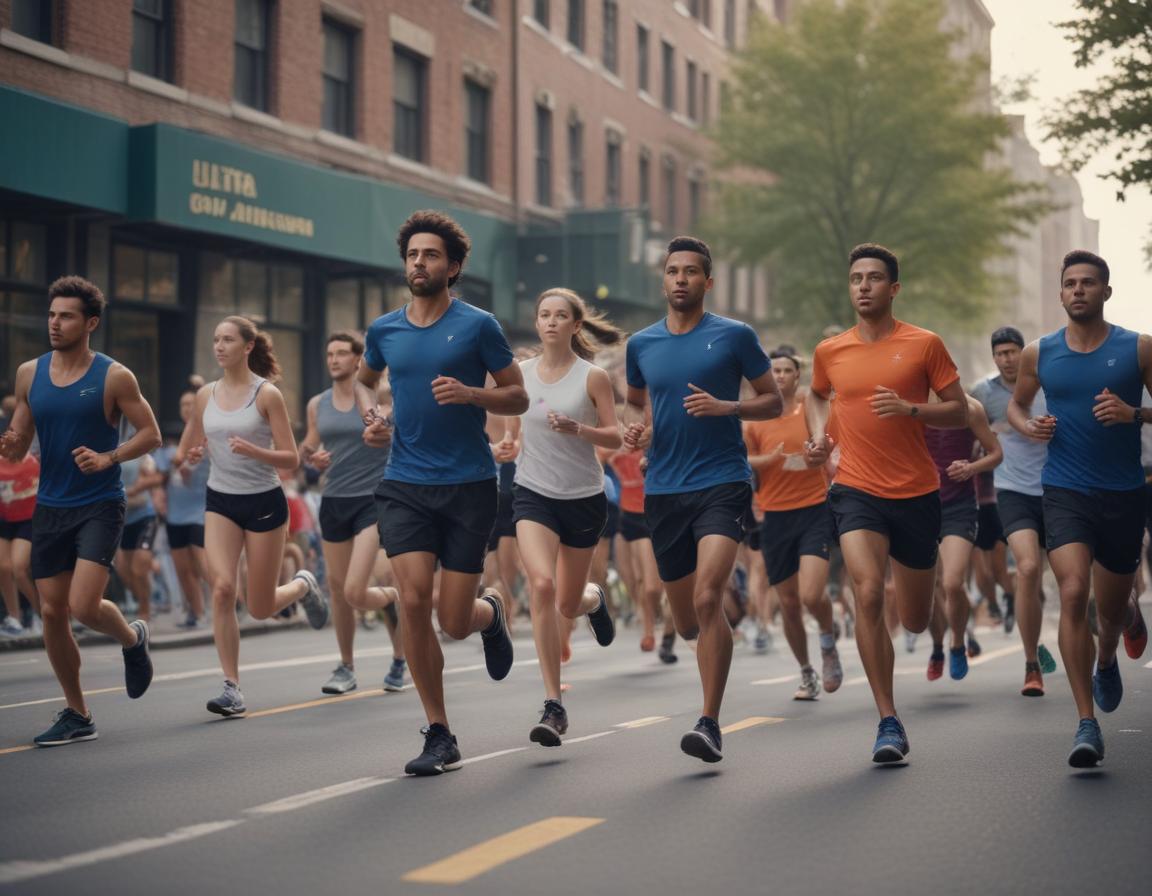
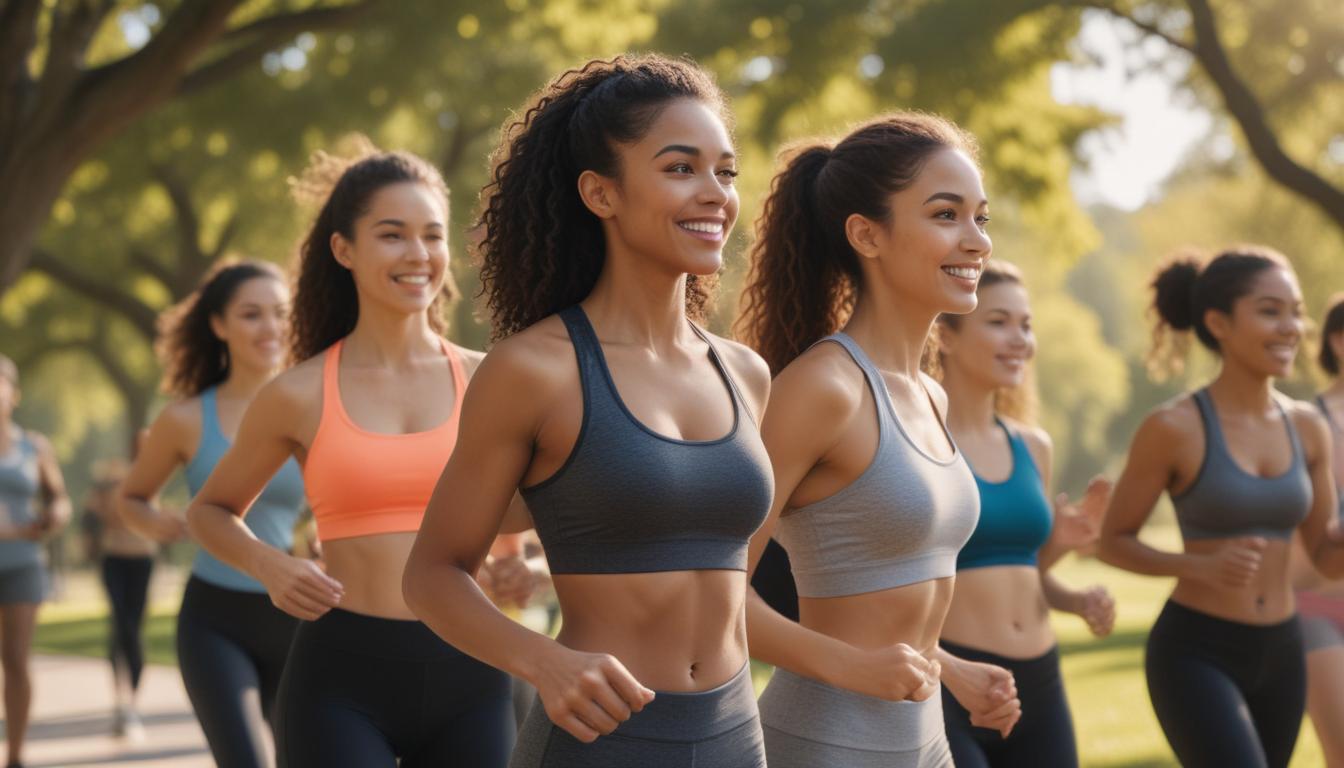
Over the years, fitness communities have evolved far beyond traditional workout groups. Across the U.S., they have grown into highly organized networks that connect individuals with similar health and wellness objectives. Once seen as simple workout buddies, these groups are now the heart of social belonging for countless people.
Whether it’s a running club, a local CrossFit box, a yoga collective, or even online fitness platforms, these communities bring people together. By doing so, they nurture stronger bonds, make fitness enjoyable, and inspire members to push themselves. A local gym meetup or an online yoga challenge becomes more than just an event; it’s a space where personal victories are celebrated, and setbacks are overcome together.
These communities are more than just motivators—they act as a refuge for those navigating the challenges that often accompany fitness journeys. Vibrant, accessible, and inclusive, today’s fitness communities have the potential to transform lives, offering physical, mental, and emotional growth for everyone involved.
The Benefits of Community Support

One of the most remarkable aspects of being involved in a fitness community is the network of support it creates. This support manifests in several invaluable ways:
- Motivation and Accountability: It’s far easier to stick to your workouts when peers are expecting you. A community gives you that extra push to show up.
- Emotional Well-Being: Sharing fitness triumphs and struggles creates a safe space for open dialogue and mutual encouragement.
- Shared Expertise: Whether it’s refining your workout form or learning a new dietary tip, there’s always someone in the group with helpful insights.
Fitness communities ensure that you’re never alone on your health and wellness journey. The collective wisdom and camaraderie within these groups help new enthusiasts find their footing, while seasoned members stay inspired to improve. They are, at their core, a lifeline for anyone striving for better health.
Creating a Strong Fitness Community

Thriving fitness communities don’t just happen spontaneously—they are built with intentionality and effort. Here are some tips to create a supportive and long-lasting fitness group:
- Identify Common Goals: A shared purpose like preparing for a marathon, participating in yoga sessions, or planning charity fitness events brings people together.
- Encourage Storytelling: Personal fitness stories foster trust, admiration, and a sense of belonging among members.
- Create Content: Blogs, newsletters, podcasts, and videos about fitness struggles, success stories, and trends keep members engaged and informed.
- Leverage Communication Tools: Consistent communication, especially via social media or group chats, ensures ongoing participation and camaraderie.
With these strategies in place, a fitness group evolves from a casual meetup to a tightly-knit support network that inspires wellness and transformation.
Building Resilience Together

One of the most profound yet overlooked benefits of fitness communities is their ability to foster resilience. Life is full of challenges—injuries, burnout, and mental fatigue. Fitness communities offer a shoulder to lean on, reminding members that they’re not alone.
Through collective effort, these groups help individuals confront obstacles with confidence and determination. Whether it’s celebrating milestones, learning from missteps, or simply showing up on tough days, these communities create an environment where resilience thrives. Ultimately, the qualities developed through these shared experiences—grit, perseverance, and adaptability—extend far beyond the gym, positively impacting every aspect of life.
Social Connections and Opportunities for All

Fitness communities are far more than exercise groups—they are a hub of social connections and opportunities. These interactions are often casual yet purposeful, offering:
- Friendship and camaraderie.
- Networking opportunities.
- A sense of inclusion, even for those with disabilities or unique schedules.
Activities like group circuits, Zumba marathons, or community walks encourage bonding and laughter, while the inclusive culture within fitness communities ensures that everyone feels valued. In these settings, strangers gradually transform into teammates rooting for one another’s well-being, making the fitness journey both joyful and inspiring.
“`