

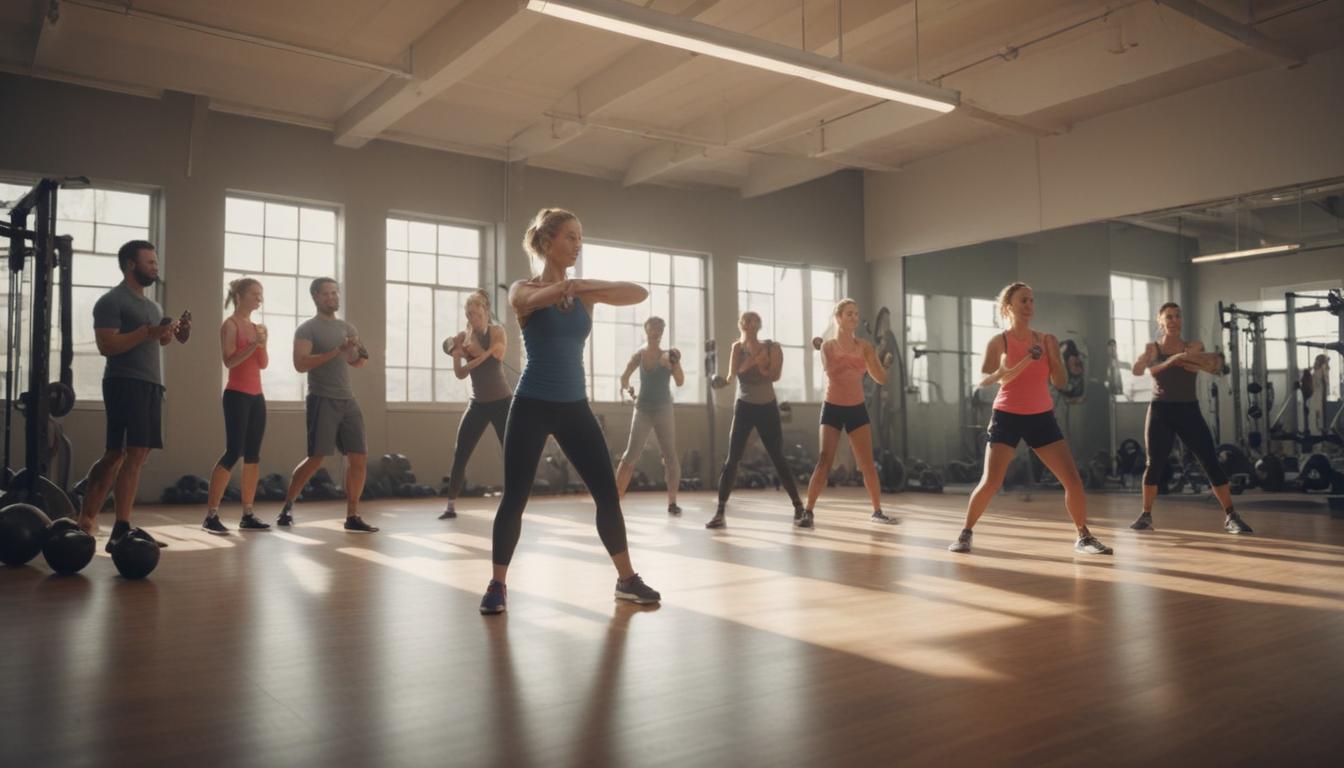
What is Functional Training?
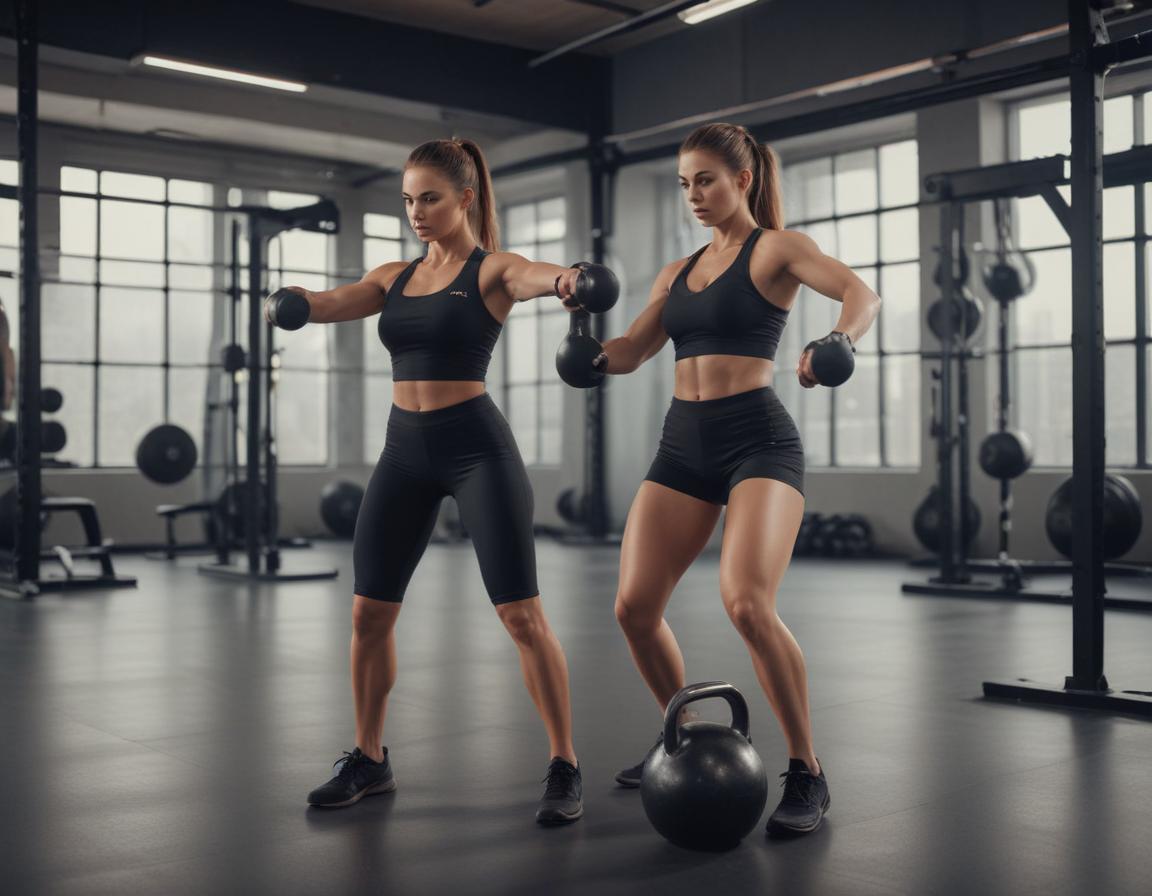
Functional training focuses on preparing your body for real-world movements, enhancing your ability to perform daily tasks with ease and efficiency. Unlike traditional strength training that isolates specific muscle groups, functional training integrates multiple muscles in sync, replicating the movements you frequently use in everyday life. Exercises like:
- Squats
- Lunges
- Planks
- Rotational moves
are staples of functional training, designed to improve your coordination, flexibility, and strength.
Think about tasks such as lifting grocery bags, climbing stairs, or bending to tie your shoes. These movements become effortless for those who adopt functional fitness into their routine. Furthermore, functional training places a strong emphasis on injury prevention. By reinforcing your muscle groups, tendons, and joints in cohesive manners, it ensures your body moves the way it is naturally designed to move.
This type of training is especially beneficial for those with sedentary lifestyles or individuals aiming to improve their posture. Overall, functional training embodies the concept of “fitness for life,” making it an essential choice for anyone seeking a balanced and healthy lifestyle.
Benefits of Functional Training in Sports and Wellness
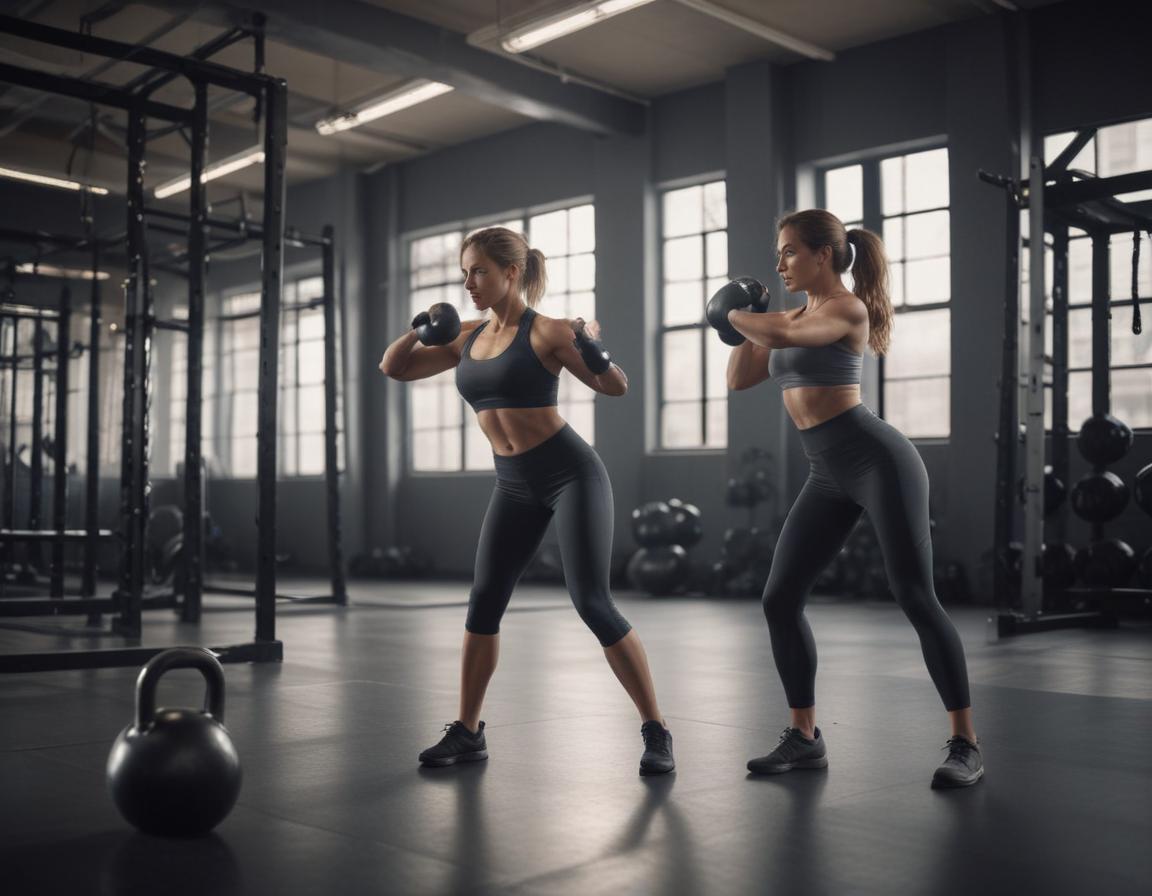
Functional training isn’t just about looking good; it’s about feeling good and performing better in both sports and daily activities. Athletes benefit immensely because this form of fitness mirrors the complex motions required in their disciplines. Whether it’s jumping, pivoting quickly, or accelerating explosively, functional exercises enhance:
- Agility
- Power
- Precision
These improvements give athletes a competitive edge.
Beyond sports, functional training also offers remarkable benefits for everyday wellness. Adults of all ages are finding relief from chronic pain and stiffness thanks to the mobility and flexibility benefits. For seniors especially, it reduces the risk of falls by enhancing balance and stability. Incorporating functional programs into rehabilitation can even improve recovery after injuries or surgeries.
By training the body to work as a whole, functional fitness allows you to live an active, pain-free life, regardless of your age or fitness level.
How Functional Training Fits Into the U.S. Fitness Culture
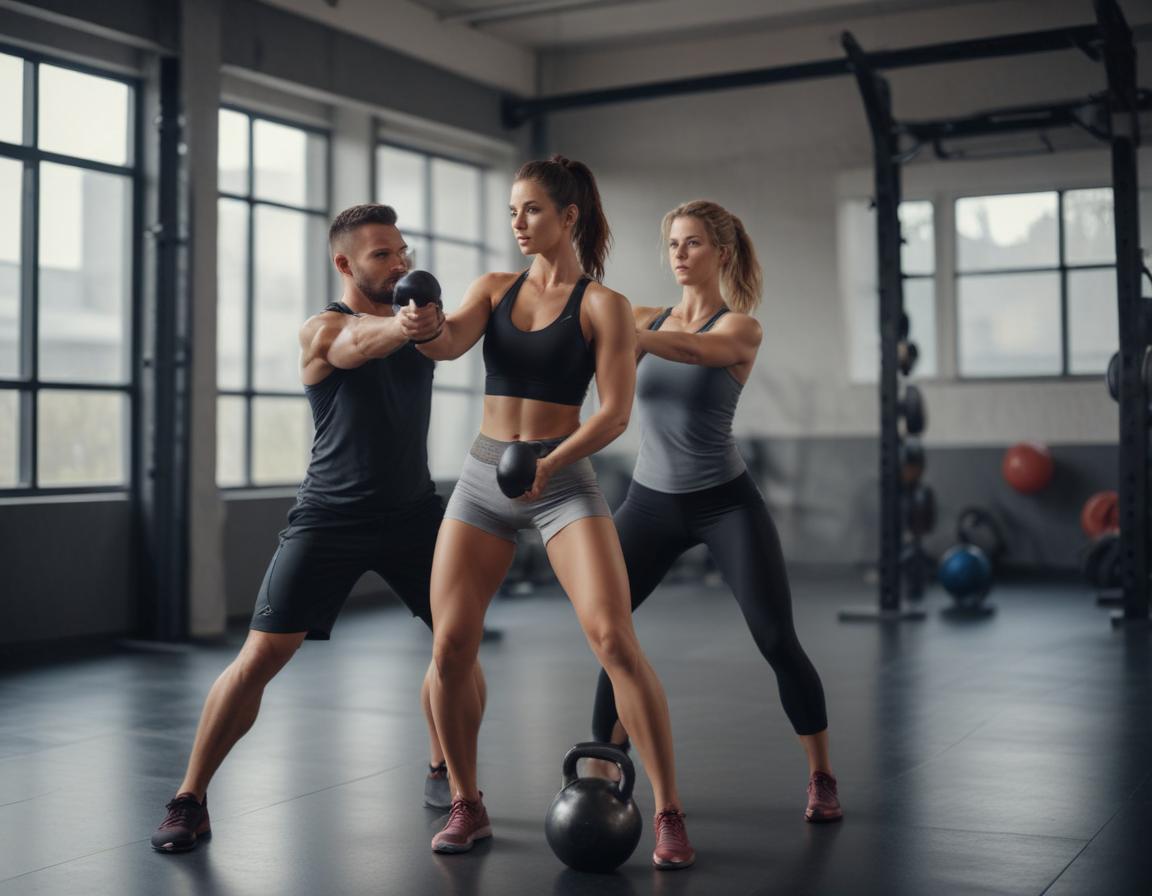
The fitness industry in the United States has embraced the rise of functional training programs. Leading the transformation are gyms and wellness centers that now offer specialized functional training classes. Combining elements of:
- CrossFit
- Pilates
- Yoga
- High-Intensity Interval Training (HIIT)
these classes are accessible to people of all fitness levels. But what’s driving this popularity?
Technology plays a role. Wearable devices and fitness apps enable users to track progress in areas like strength, mobility, and balance. Functional training also aligns with societal changes where health is increasingly equated with functional well-being rather than mere aesthetics.
More U.S. personal trainers are now adapting their programs to focus on goals like improved posture, balance, and injury prevention, making functional training a cornerstone of modern fitness culture.
Getting Started with Functional Training: Tips for Beginners
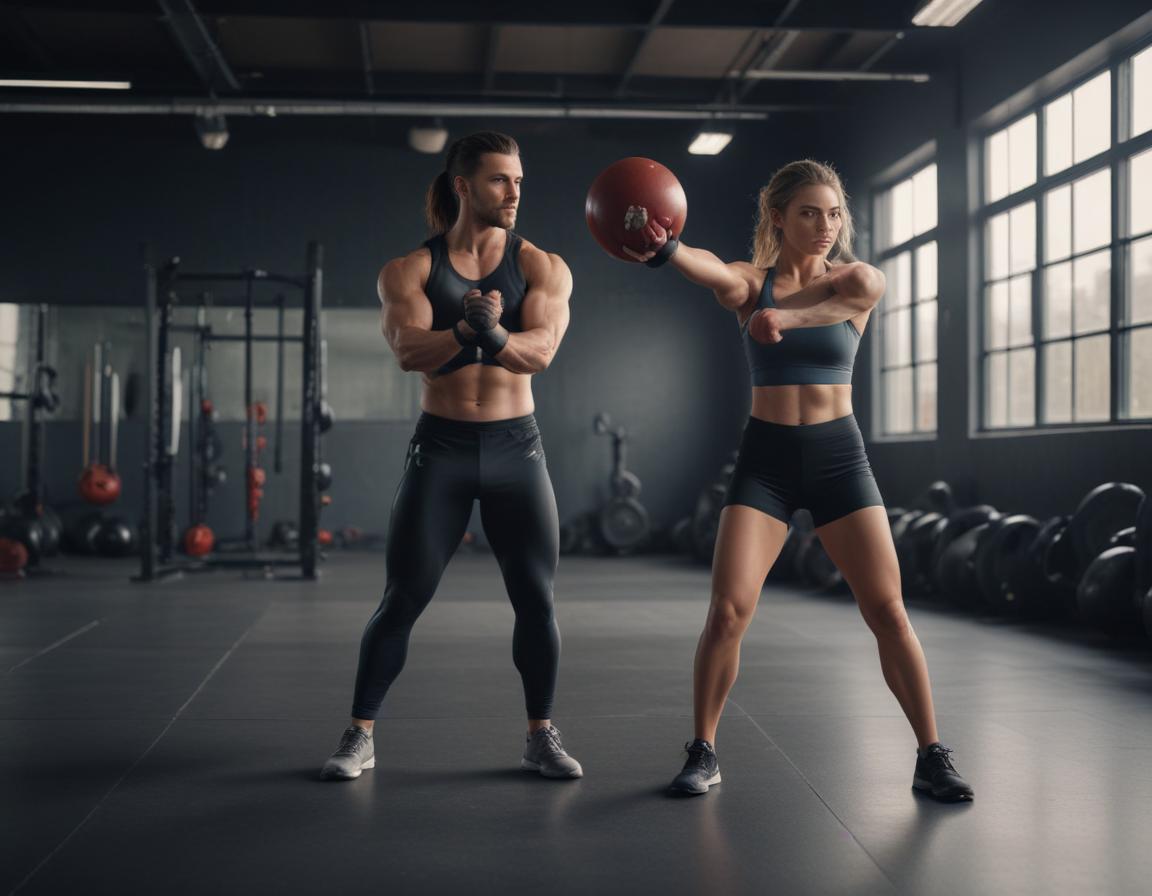
Starting functional training can seem daunting, but simple steps help ease the transition. Begin by mastering foundational movements like:
- Squats
- Lunges
- Planks
These exercises build core strength and stability, creating a foundation for more advanced routines. Focus on quality over quantity; practicing proper form is essential for maximizing benefits and minimizing injury risk.
As you improve, gradually incorporate balance exercises using tools such as:
- Stability balls
- Balance boards
Increase intensity by adding weights or resistance bands, or elevating movement speed. Seeking guidance from certified fitness professionals can also provide a tailored plan that aligns with your unique goals.
The Impact of Functional Training on Daily Life
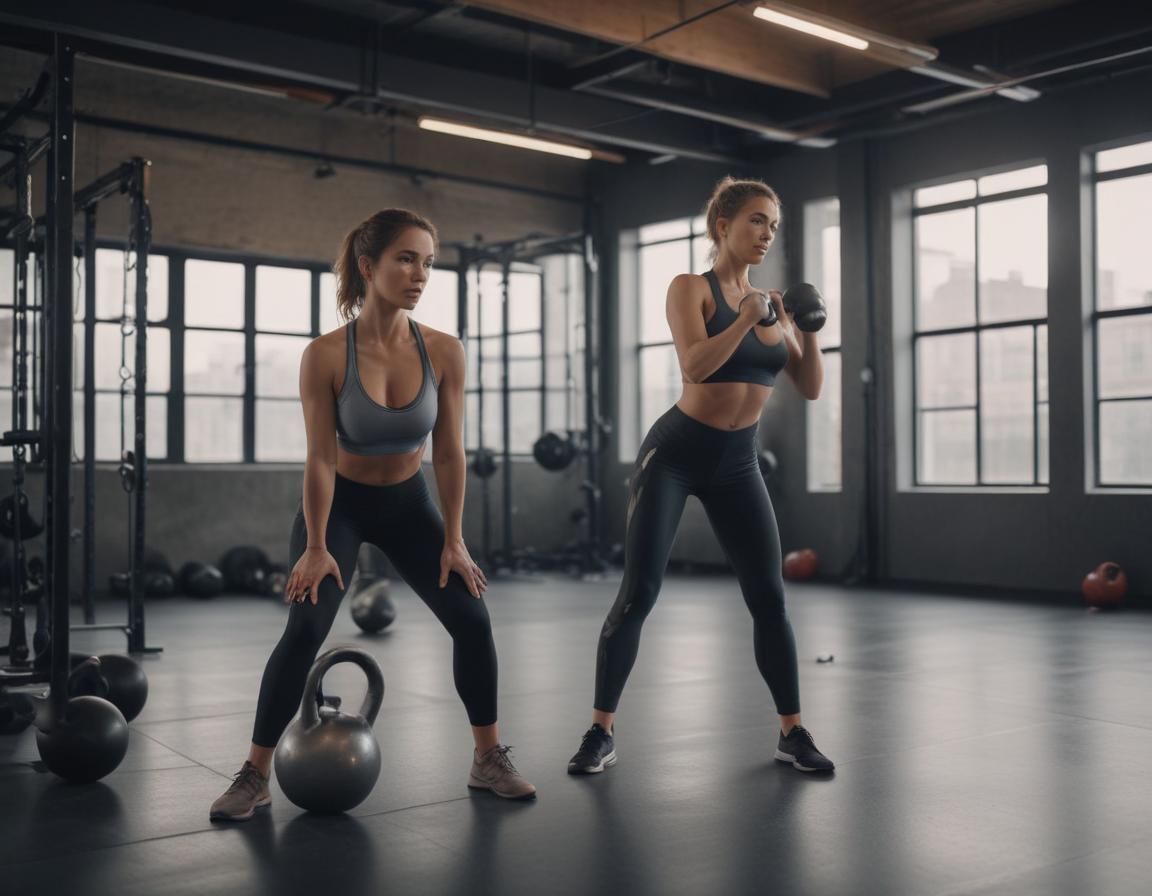
Functional fitness delivers real-world benefits that extend far beyond the gym. Improved mobility, balance, and core strength translate into everyday ease and efficiency for tasks like:
- Lifting heavy luggage
- Bending to retrieve objects
- Walking long distances
It also fosters mental well-being, bringing a sense of accomplishment as you see tangible progress. For seniors, functional training can mean prolonged independence and an enhanced quality of life.
Ultimately, functional training isn’t just about fitness. It’s a lifestyle that empowers you to move through life with confidence, resilience, and vitality.
“`